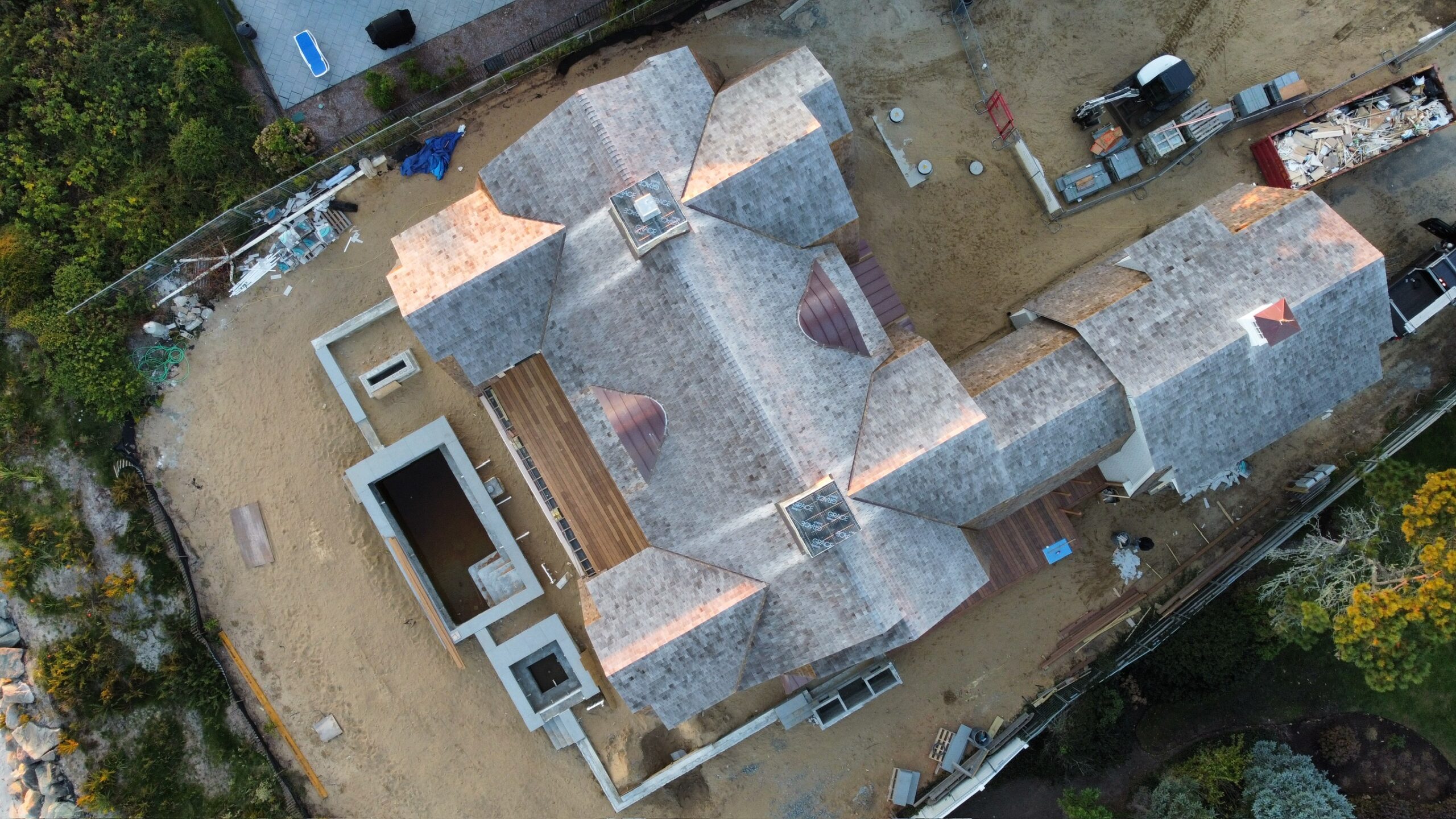
Mold and Mildew in Your Roof: Causes and Solutions
Mold and mildew inside your roof layers are among the most common and insidious problems homeowners face on Cape Cod and South Shore. These microorganisms not only damage construction materials and affect your roof's appearance, but they also pose a serious health risk for residents. Moisture accumulation, poor ventilation, and installation errors often lead to hidden fungal growth that can progress unnoticed for years.
Understanding the causes, recognizing the warning signs, and knowing how to address mold early is essential to protect both your home and your family.
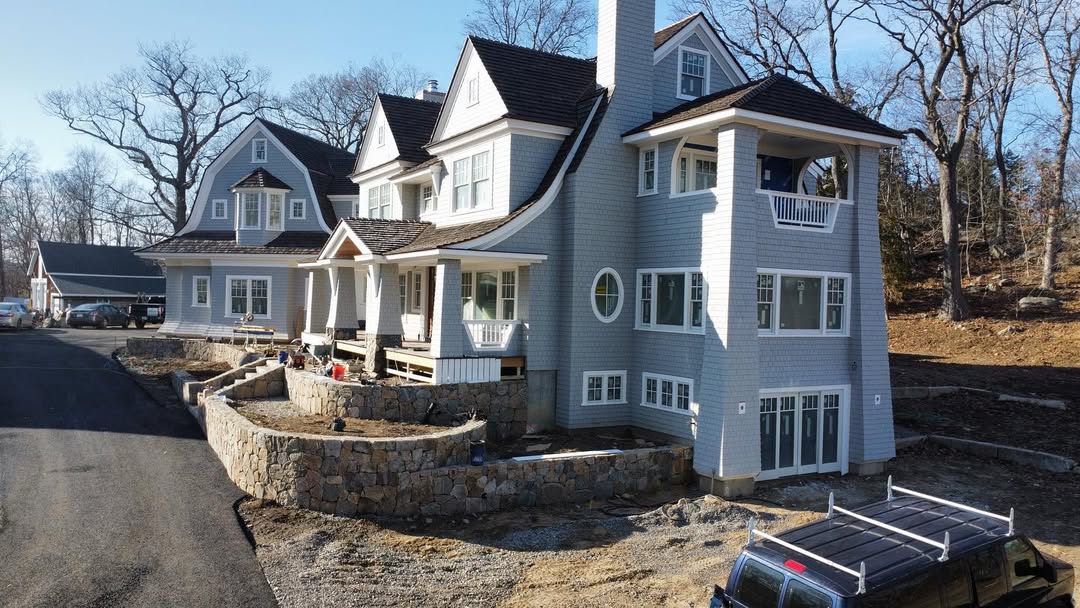
What is the Roof "Sandwich" and Why Is It Vulnerable?
The roof structure, or "roof sandwich," is a multi-layer system that protects your home from rain, wind, and temperature extremes. Typically, it includes the roof covering, waterproofing layers, insulation, vapor barriers, and ventilation components.
Each layer has a specific purpose, and a failure in any of them can create conditions for mold and mildew growth. Common triggers include:
- Damaged waterproofing that lets water penetrate the structure.
- Inadequate ventilation, leading to trapped moisture and condensation.
- Mistakes in vapor barrier installation, which allow moisture to accumulate in insulation.
- Use of untreated or low-quality wood that accelerates fungal growth.
On Cape Cod and South Shore, the combination of coastal humidity, heavy winter snow, and summer heat creates the perfect environment for mold if these factors are not properly controlled.
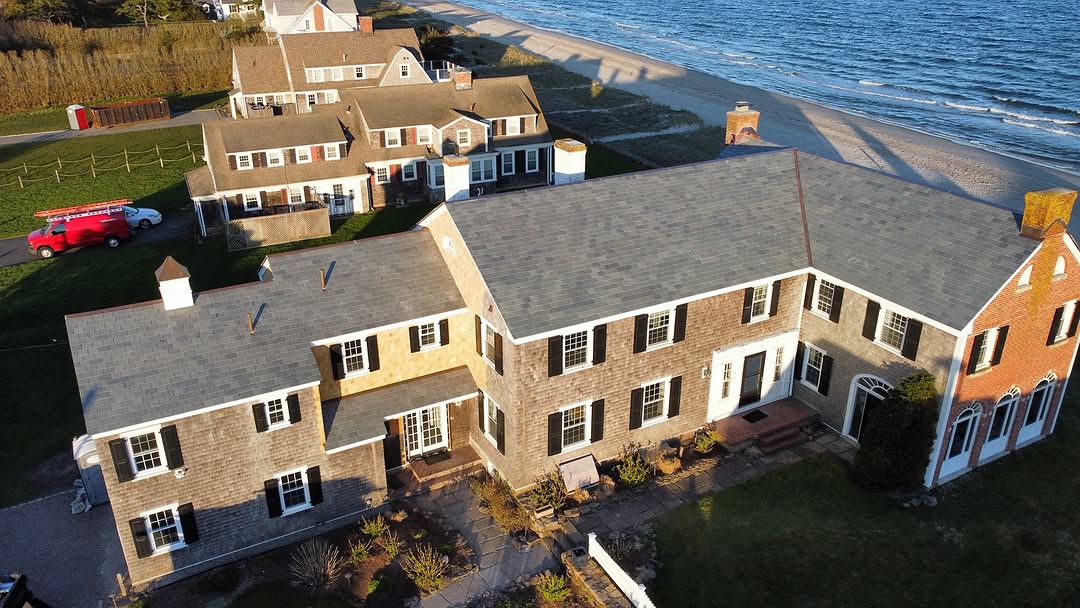
Main Causes of Mold and Mildew
To address mold effectively, you need to understand its origin. The most frequent causes include:
- Excess moisture from leaks, poor flashing, or faulty vapor barriers.
- Blocked or poorly designed ventilation in ridge and soffit areas.
- Condensation due to temperature differences between indoor air and the roof deck.
- Uneven insulation or gaps in insulation mats creating cold spots.
- Untreated or unprotected wood beams and rafters.
Left unchecked, mold can spread throughout the roof system, weakening structural elements and reducing energy efficiency.
How to Recognize Mold in Your Roof
Mold often remains hidden, but some signs can help you identify a problem:
- Musty or damp odors in the attic.
- Dark spots or powdery residues on rafters, insulation, or decking.
- High indoor humidity and visible condensation.
- Peeling paint or finish on wooden elements.
- Squeaky or fragile structural components due to decayed fibers.
If any of these signs are present, it's time for a professional roof inspection. Early intervention prevents more expensive repairs later.
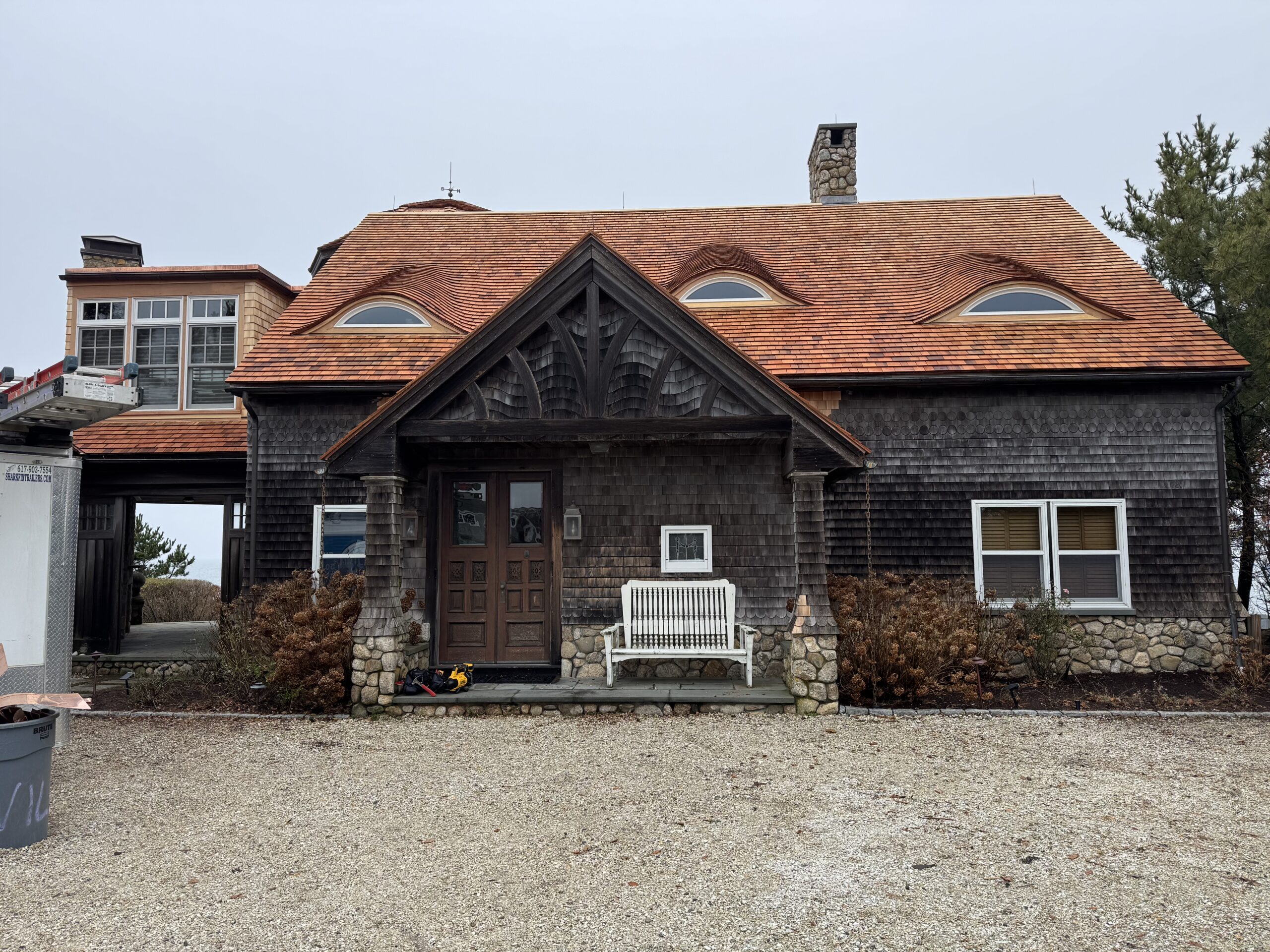
The Dangers of Mold and Mildew
Mold isn't just a threat to your roof; it's a health hazard. Spores can circulate in your home, causing:
- Allergic reactions and respiratory issues, especially in children and seniors.
- Asthma flare-ups and worsening of chronic respiratory conditions.
- Frequent headaches and weakened immunity.
- Gradual destruction of wooden beams and insulation.
Severe infestations can compromise rafters and joists, making your roof unsafe and requiring a full replacement rather than simple repairs.
How to Solve Mold and Mildew Problems
A comprehensive approach is necessary to eliminate mold effectively:
- Identify the moisture source. Check roof covering, flashing, and insulation for leaks.
- Remove and replace damaged materials. This includes insulation, sheathing, or wood affected by mold.
- Apply antifungal treatments. Use products suitable for wood and mineral wool insulation.
- Improve ventilation. Ensure proper airflow through ridge vents and soffits.
- Regular inspection. Seasonal checks on attics and insulation help prevent recurrence.
Following these steps ensures your roof remains mold-free and structurally sound for decades.
Roof Material Resistance to Mold
Different roofing materials respond differently to moisture:
| Material | Mold Susceptibility | Ventilation Requirement | Maintenance Tips |
|---|---|---|---|
| Asphalt Shingles | Medium | High for hot attics | Check underlayment and clean debris |
| Cedar Shingles | Low if treated | Important for cold spots | Inspect and re-treat with preservative |
| Metal Roofing | Low | Recommended to avoid condensation | Check seams, edges, and coatings |
| Copper Roofing | Very low | Moderate | Inspect for patina and debris |
| EPDM Rubber | Medium | Needed for flat roofs | Clean surface and check seals |
| Flat Roof | Medium | Critical | Maintain drains and inspect waterproofing |
| Full Roof Replacement | Depends on materials used | Always ensure ventilation | Follow professional guidelines |
Proper ventilation and moisture control are often more important than material choice itself. Even mold-resistant roofs can fail if airflow and insulation are inadequate.
Prevention and Long-Term Protection
Preventing mold is far easier than repairing it. Essential steps include:
- Treat all wood components with antifungal products before installation.
- Ensure all waterproofing layers are intact and seams sealed.
- Maintain proper airflow with ridge and soffit vents.
- Keep roof surfaces free of snow, leaves, and standing water.
- Conduct yearly inspections of attics and insulation for moisture or musty odors.
These simple measures help avoid costly repairs and extend the life of your roof for decades.
Professional Roof Installation and Replacement with Anpoint Exteriors
At Anpoint Exteriors, we ensure your roof is installed right the first time. Our team specializes in Cape Cod and South Shore roofing projects, including both new installations and full replacements of old roofs. Our expertise covers:
- Asphalt Shingles
- Cedar Shingles
- Metal Roofing
- Copper Roofing
- EPDM Rubber
- Flat Roofs
- Complete Roof Replacement
We follow strict installation protocols and local building codes, ensuring no errors that could lead to mold, mildew, or structural problems. Your roof will last for decades without the need to fix previous contractors' mistakes.
Featured Projects Across Cape Cod and South Shore
Our projects span the entire region: Upper Cape, Mid Cape, Lower Cape, Outer Cape, and South Shore. Notable areas include Barnstable, Falmouth, Mashpee, Sandwich, Centerville, Cotuit, Dennis, Hyannis, Marstons Mills, Osterville, West Barnstable, Yarmouth, Brewster, Chatham, Harwich, Orleans, Eastham, Provincetown, Truro, Wellfleet, Cohasset, Duxbury, Hingham, Kingston, Marshfield, Pembroke, Plymouth, and Scituate.