
How Roof Behavior Changes With Age: What Massachusetts Homeowners Need to Know
Your roof doesn't age by calendar—it ages by experience. In Massachusetts, that experience includes nor'easters, ice dams, summer humidity, and salty Atlantic breezes along Cape Cod. If you've noticed shingles losing their grip or a faint musty smell in the attic, don't panic. It's a signal: time to understand where your roof stands in its lifecycle and what to do next.
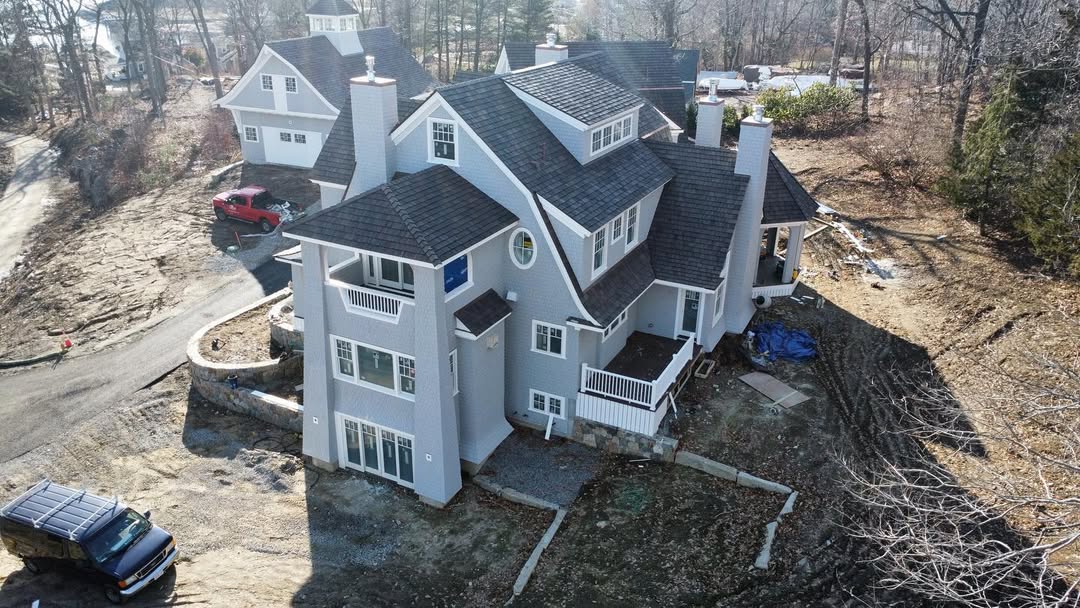
Three Phases of Roof Aging: From Confidence to Care
0–10 Years: The Reliable Stage
A new roof performs at its peak. Materials stay flexible, seals hold tight, and UV protection is intact. During this phase, basic maintenance goes a long way: clearing gutters, visual checks after storms, and ensuring proper attic ventilation.
Cape Cod note: Even in this "quiet" phase, salt air begins affecting metal components. If you're looking for roofing contractors Cape Cod, choose a team that accounts for coastal conditions during installation and material selection.
10–20 Years: Early Warning Signs
This is when nuances appear. Asphalt shingles gradually lose granules, edges may curl slightly, and algae spots can form. Metal flashings, fasteners, and gutters might dull—especially without protective coatings.
In our climate, freeze-thaw cycles often reveal themselves now: micro-cracks in seams, weakened sealant around pipes and vents. If you spot these changes, targeted repairs may be the right move. For homeowners searching for roof repair contractors, working with specialists who diagnose root causes—not just symptoms—makes all the difference.
20+ Years: Time for Strategic Decisions
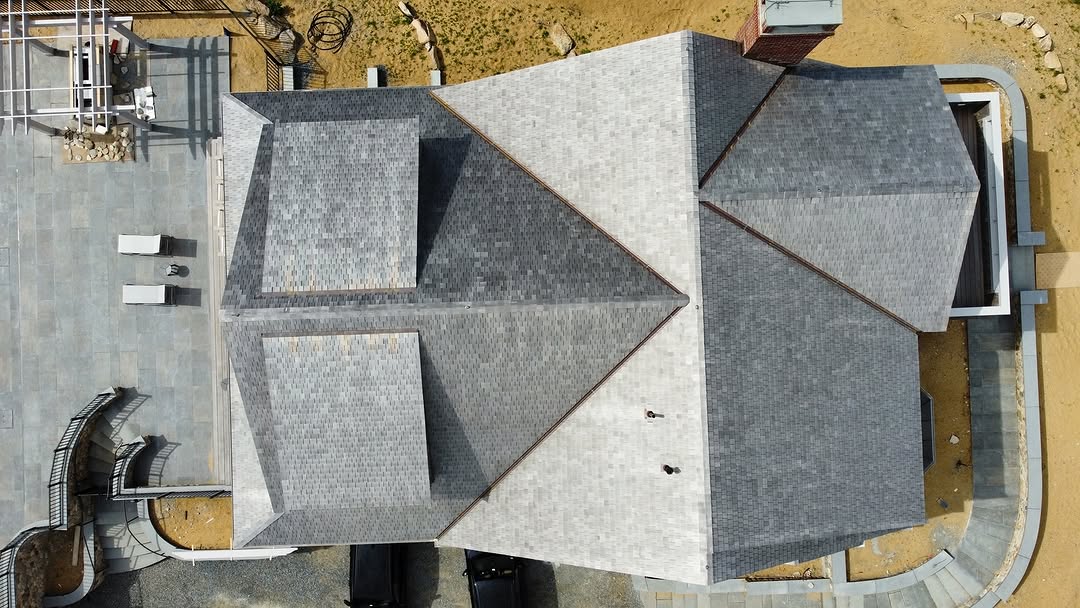
After two decades, even premium materials shift: shingles become brittle, bare patches appear, and water finds new paths inside. Wood components (like cedar) need extra attention to moisture and airflow.
At this stage, patching isn't always enough. It's worth evaluating whether continued repairs make sense or if a roof replacement delivers better long-term value. Many homeowners choose roof replacement contractors near me when repair costs start approaching the investment in a new system.
Why Massachusetts Climate Puts Roofs to the Test
Ice Dams
Warm air from your home rises into the attic, melting snow on the roof. That water runs down to colder eaves and refreezes, forming a dam that traps moisture under shingles. Result: leaks, material separation, and potential rafter damage.
Prevention tip: Proper attic insulation and ventilation can reduce ice dam risk by 70–80%.
Salt Air on the Coast
For Cape Cod homes, airborne salt isn't scenic—it's corrosive. Metal fasteners, gutters, and chimney flashings degrade faster here than inland.
If you're considering metal roofing, prioritize materials with enhanced corrosion resistance: aluminum, polymer-coated steel, or copper. Our team helps select solutions built to withstand wind, salt, and time.
Thermal Shock
Swings from -20°F winters to 90°F+ summers force materials to expand and contract. Over time, this causes fatigue: cracked shingles, seam separation, and compromised seals.
Materials and How They Age
Asphalt Shingles
- Typical lifespan in Massachusetts: 15–25 years for 3-tab, 25–30 for architectural
- Signs of aging: granule loss, curled edges, cracks, dark streaks from algae
- Maintenance: regular cleaning, algae treatment, prompt replacement of damaged units
Thinking about asphalt roof replacement? Keep in mind that coastal exposure can shorten lifespan by 20–30%. We help select enhanced formulations designed for UV and moisture resistance—aligned with your home's style and budget.
Metal Roofing
- Lifespan: 40–70 years depending on metal and finish
- Advantages: snow/wind/fire resistance, minimal upkeep
- Key detail: use compatible fasteners to prevent galvanic corrosion
For commercial properties or homes with complex rooflines, commercial roofing contractors often recommend standing seam systems. We work with aluminum, steel, and copper—matching material to performance needs, climate, and aesthetics.
Copper
- Lifespan: 70+ years, developing a distinctive patina over time
- Trade-off: higher upfront cost, very low maintenance long-term
- Installation note: requires experienced hands—poor soldering or fastening undermines all benefits
If copper roofing installation interests you, we deliver craftsmanship that honors both beauty and longevity—no shortcuts.
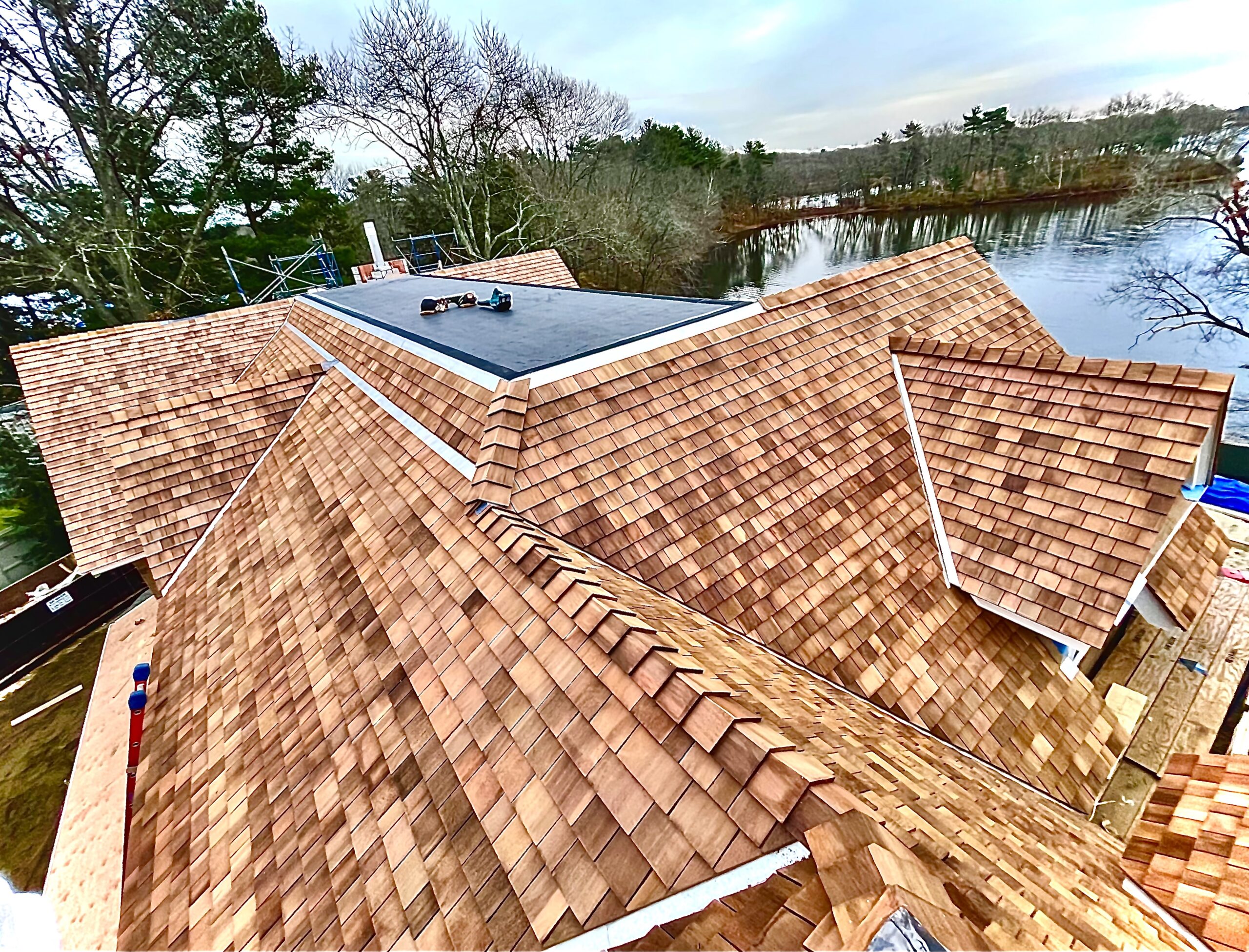
Cedar Shingles
- Lifespan: 20–30 years with proper care
- Benefits: natural breathability, timeless look, insect resistance (when treated)
- Consideration: Massachusetts humidity demands proactive treatment against rot and mold
Love the natural aesthetic but want less upkeep? Consult with a specialist in cedar shingle installation. We apply modern protective treatments and installation methods that extend the life of authentic materials.
EPDM (Rubber Membranes)
- Lifespan: 30–50 years for low-slope and flat roofs
- Vulnerabilities: UV exposure, ozone, physical punctures
- Solution: protective coatings, routine seam and flashing inspections
For flat roofs on commercial buildings or additions, EPDM roofing offers reliable performance with straightforward installation and predictable longevity. We help select membrane thickness and attachment methods suited to your load requirements and local weather.
Five Signs It's Time to Replace, Not Repair
- Widespread shingle damage — if over 30% of the surface shows cracks, missing pieces, or severe curling
- Multiple leak locations — indicates systemic underlayment failure, not an isolated issue
- Sagging roof deck — suggests structural compromise, often from prolonged moisture intrusion
- Age exceeds expected lifespan — materials lose flexibility and protection even if they look okay
- Rising repair costs — if fixes consume 40–50% of a replacement's price, investing in new makes financial sense
In these scenarios, partnering with a trusted roof replacement contractor ensures a thorough assessment and a solution tailored to your budget and regional demands.
Practical Ways to Extend Your Roof's Life
- Schedule regular inspections — at least twice yearly (spring and fall) plus after major storms
- Keep gutters clear — clogged drains = standing water = accelerated edge deterioration
- Monitor attic ventilation — balanced airflow prevents condensation and ice dams
- Address small issues fast — one missing shingle today can lead to rotted rafters in two years
- Get a professional evaluation — even if things "seem fine," a roof inspection expert can spot hidden concerns with tools and experience
Final Thought: Aging Isn't Failure—It's Information
Your roof, like your home, thrives with attention. Understanding how its performance evolves helps you act proactively—instead of reacting to a winter leak at 2 a.m.
In Massachusetts, where weather doesn't compromise, working with a team that knows local conditions—from snow loads to coastal corrosion—matters. Whether you're searching for roofing contractors near me or Cape Cod roofing contractors, choose partners who offer more than installation: a commitment to your roof's long-term resilience.
Ready to assess your roof's condition?
Start with a professional evaluation: schedule a roof inspection—your first step toward peace of mind and lasting protection.