
Asphalt vs. Metal Roofing in Massachusetts: Which Handles Winter Better? (2026 Comparison)
Choosing a roof in New England always comes down to balancing budget against resilience. When nor'easters roll in and temperatures swing from -20°F to 40°F within days, your roof becomes your home's first line of defense. Two materials dominate the market—asphalt shingles and metal roofing—and both frequently make the shortlist for Massachusetts homeowners.
But which one actually performs better under Cape Cod and Massachusetts conditions? We're not here to speak in generalities. This article compares both materials across critical factors: snow resistance, lifespan, cost, and maintenance. The goal is to help you decide which roof replacement delivers better long-term value for your specific property.
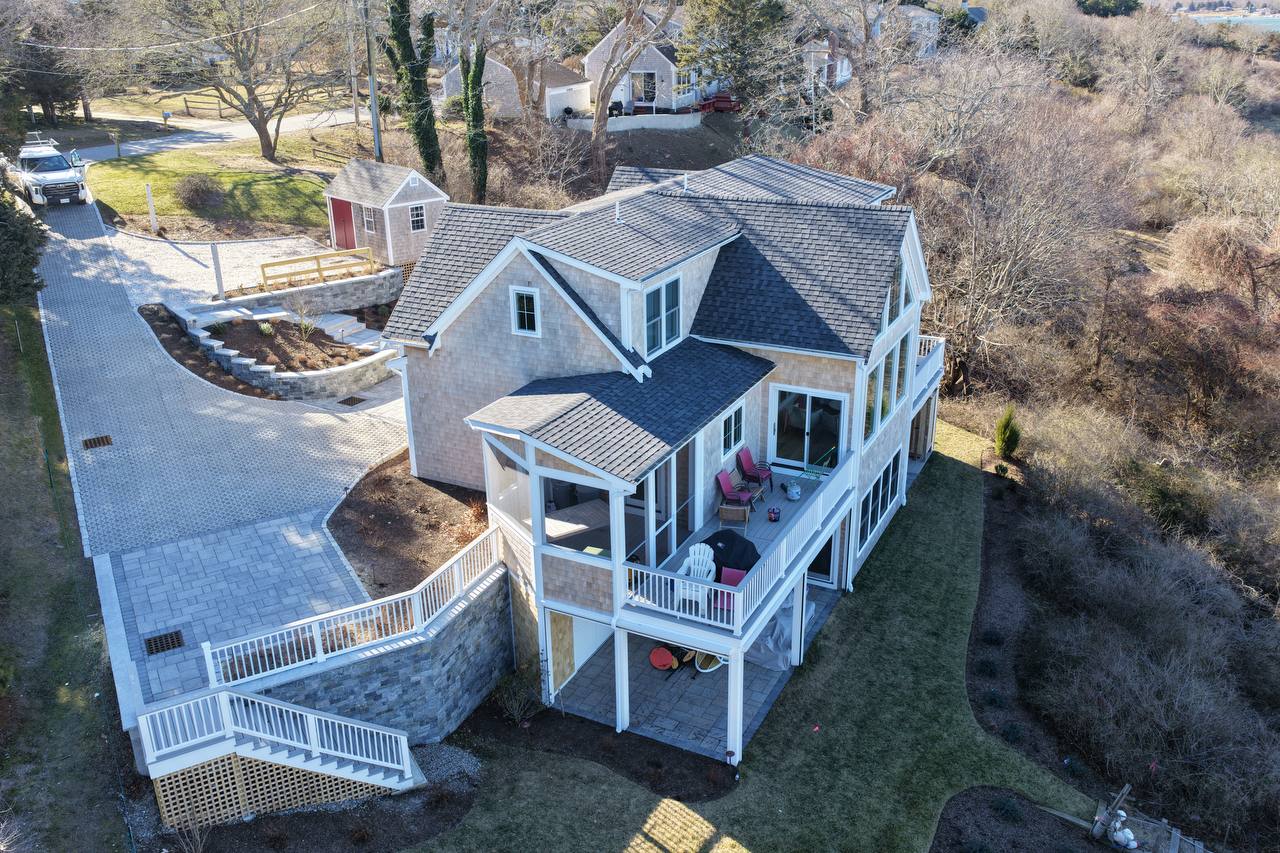
The Ultimate Test: Massachusetts and Cape Cod Winters
Winter in our region isn't just about snowfall. It's about ice dams, heavy accumulation on slopes, and mid-winter thaws that turn snowpack into running water within hours. Your roofing material needs to handle all of this without failing.
Asphalt Shingles: The Traditional Choice
Asphalt remains the most common roofing material across Massachusetts for good reason. Modern fiberglass-reinforced shingles handle moisture well and provide reliable protection. However, the textured surface holds snow longer than smooth materials, creating additional load on your roof structure. During frequent freeze-thaw cycles, granules can shed faster—especially on south-facing slopes that receive intense sun exposure followed by freezing nights.
Metal Roofing: The Performance Option
Metal offers a physical advantage in winter conditions. The smooth surface promotes natural snow shedding (when installed at proper pitch), reducing the risk of ice dams forming in gutters. Metal doesn't absorb moisture and won't crack in freezing temperatures. For coastal Cape Cod locations where salt air accelerates corrosion, aluminum or properly coated steel performs exceptionally well.
If your primary concerns are snow removal and ice dam-related leaks, metal roofing wins on technical performance.
Lifespan: When Will You Need to Call a Contractor Again?
Longevity represents the hidden cost of any roofing decision. A cheaper roof requiring replacement every 15 years ultimately costs more than a premium option lasting 50+ years.
| Material | Expected Lifespan | Maintenance Requirements |
|---|---|---|
| Asphalt Shingles (3-tab) | 15–20 years | Moderate (inspect every 2 years) |
| Architectural Asphalt | 25–35 years | Moderate (inspect every 2 years) |
| Steel Metal Roofing | 40–60 years | Low (minimal maintenance needed) |
| Aluminum/Copper Metal | 50–100+ years | Low (occasional inspection) |
When planning your roof replacement, ask yourself: do you want to deal with this again in 20 years? If not, metal represents an investment in peace of mind for the next generation.
Cost Breakdown: 2026 Pricing for Massachusetts Homeowners
Budget often becomes the deciding factor. Let's look at the numbers honestly for a typical 2,000 sq. ft. residential roof:
| Factor | Asphalt Shingles | Metal Roofing |
|---|---|---|
| Initial Cost | $8,500 – $16,000 | $18,000 – $35,000+ |
| Cost per Sq. Ft. | $4.25 – $8.00 | $9.00 – $17.50+ |
| Maintenance Cost | Moderate over lifespan | Minimal over lifespan |
| Insurance Impact | Standard rates | Potential discounts (fire-resistant) |
| Resale Value Boost | Standard ROI | Higher perceived value |
Note: Cape Cod pricing reflects coastal access challenges, permit requirements in historic districts, and marine-grade material specifications. Your exact depends on accessibility, existing layers, and structural condition.
Yes, metal roofing installation costs more upfront. But when you divide price by lifespan, annual expenses become comparable to asphalt—with superior protection throughout.
Aesthetics and Architectural Style
Your home should look harmonious. Cape Cod features many historic properties where appearance matters to owners and sometimes to local historical commissions.
Asphalt Shingles
Universal appeal. Works with nearly any architectural style—from Colonial to Contemporary. Wide color palettes allow matching to siding, brick, or trim. Browse examples on our asphalt roofing page.
Metal Roofing
Once associated primarily with farm buildings or industrial styles, metal has evolved. Metal shingle products now visually mimic asphalt, slate, or even cedar shakes. This allows homeowners to preserve their home's historic character while gaining metal's performance benefits.
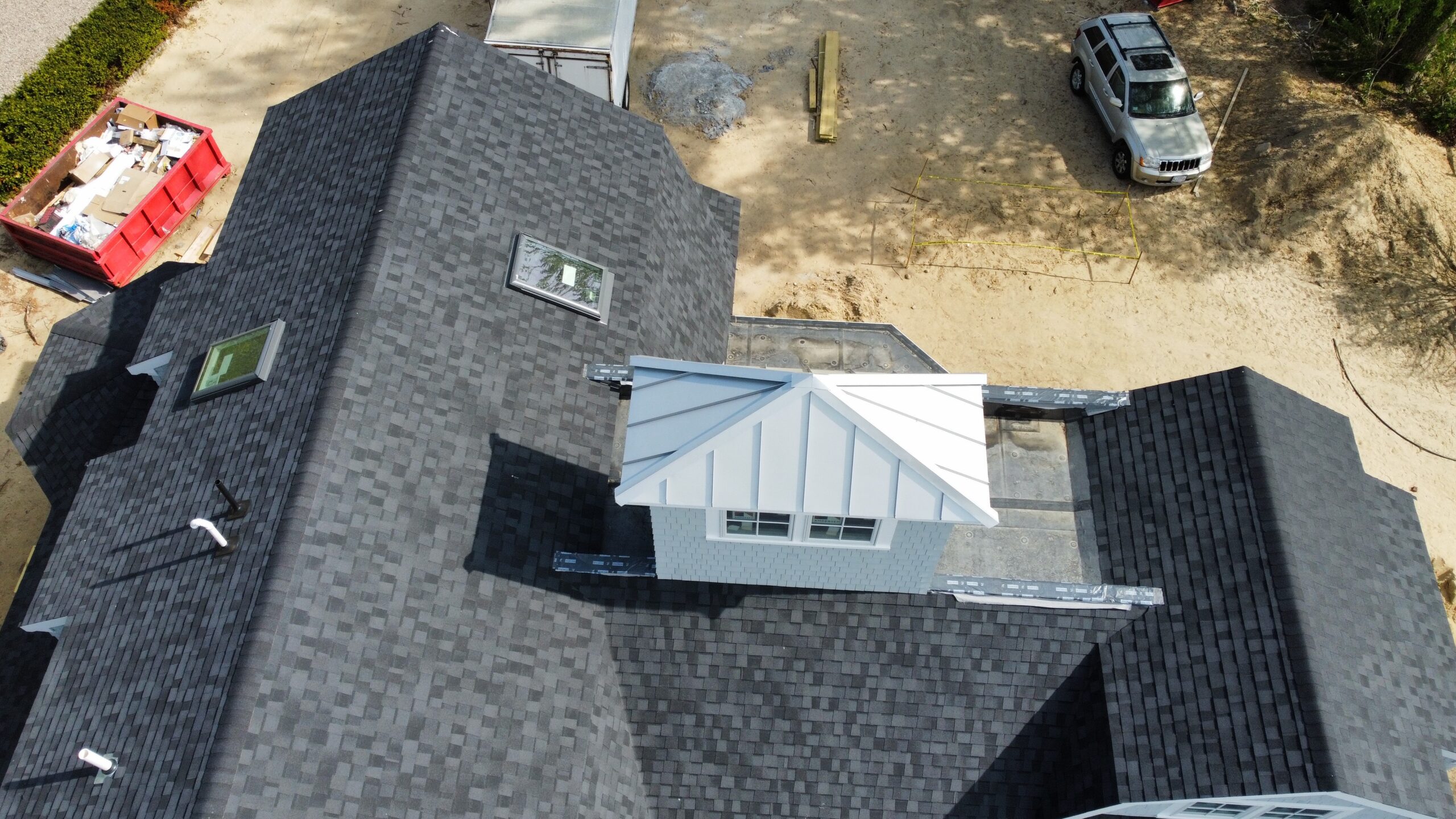
One of our projects in Cape Cod.
What Contractors Recommend: Expert Perspective
As a with extensive Massachusetts experience, we see both sides daily.
Choose Asphalt If:
- Budget is constrained right now
- You plan to sell within 5–10 years
- Roof has complex geometry with many penetrations (metal becomes significantly more expensive)
- You prefer traditional appearance without compromise
Choose Metal If:
- You're building a "forever home" for your family
- You want to minimize maintenance and snow removal
- You live in high wind zones or close to the ocean
- Long-term value matters more than initial savings
We're not trying to sell the most expensive option. Our goal is ensuring your roof performs reliably. Sometimes an honest roof contractor recommends quality asphalt over premium metal if your home's structure doesn't support heavier loads or your budget is firmly fixed.
Frequently Asked Questions
Is metal roofing noisy during rain?
This is a common myth. With proper installation (solid decking plus quality underlayment), metal roofing performs no differently than asphalt regarding noise. Many homeowners report it's actually quieter due to better insulation properties.
Can metal be installed over existing shingles?
Technically possible, but we don't recommend it. Massachusetts building codes (780 CMR) often require complete tear-off to inspect decking condition. Hiding problems beneath new layers risks future leaks. Learn more about our full replacement process.
Which material works better for flat additions?
For flat sections, neither asphalt shingles nor standing seam metal applies directly. Membrane systems (EPDM, TPO) are the proper solution. Read more about flat roofing options for additions and garages.
Does metal roofing affect cell phone or TV signal?
Modern homes typically have external antennas or cable connections that aren't affected. If you rely on rooftop antennas, we can plan installations to maintain signal reception.
The Bottom Line: Which Should You Choose in 2026?
Both materials have their place. Asphalt remains the king of affordability and versatility. Metal represents the choice for longevity and energy efficiency.
If you live on Cape Cod, where salt air and storms are routine, metal demonstrates superior long-term performance. If you're in a Boston suburb seeking classic appearance without premium costs, architectural shingles make an excellent choice.
Unsure which suits your home? The best approach is a professional inspection. We'll assess your roof structure, evaluate slopes and penetrations, and help calculate an accurate estimate tailored to your property.
We work with all material types. Browse our projects featuring asphalt roofing and metal roofing to see the difference in execution. Our team serves all of Cape Cod—from Bourne to Provincetown—with licensed, insured, experienced crews.
Ready to compare options for your Cape Cod home? Call today for your free, no-obligation consultation. We'll help you choose the roof that will withstand any Massachusetts winter.