
EPDM vs. TPO: Which Is Best for Commercial Flat Roofing on Cape Cod?
Commercial property owners on Cape Cod face a unique dilemma: which membrane should you choose for your flat roof—time-tested EPDM rubber or modern TPO thermoplastic? Both materials dominate the market, but they perform differently.
In this article, we'll compare EPDM and TPO across critical factors: durability in coastal climates, installation and maintenance costs, energy efficiency, and repairability. This will help you make an informed decision when replacing your commercial flat roof.
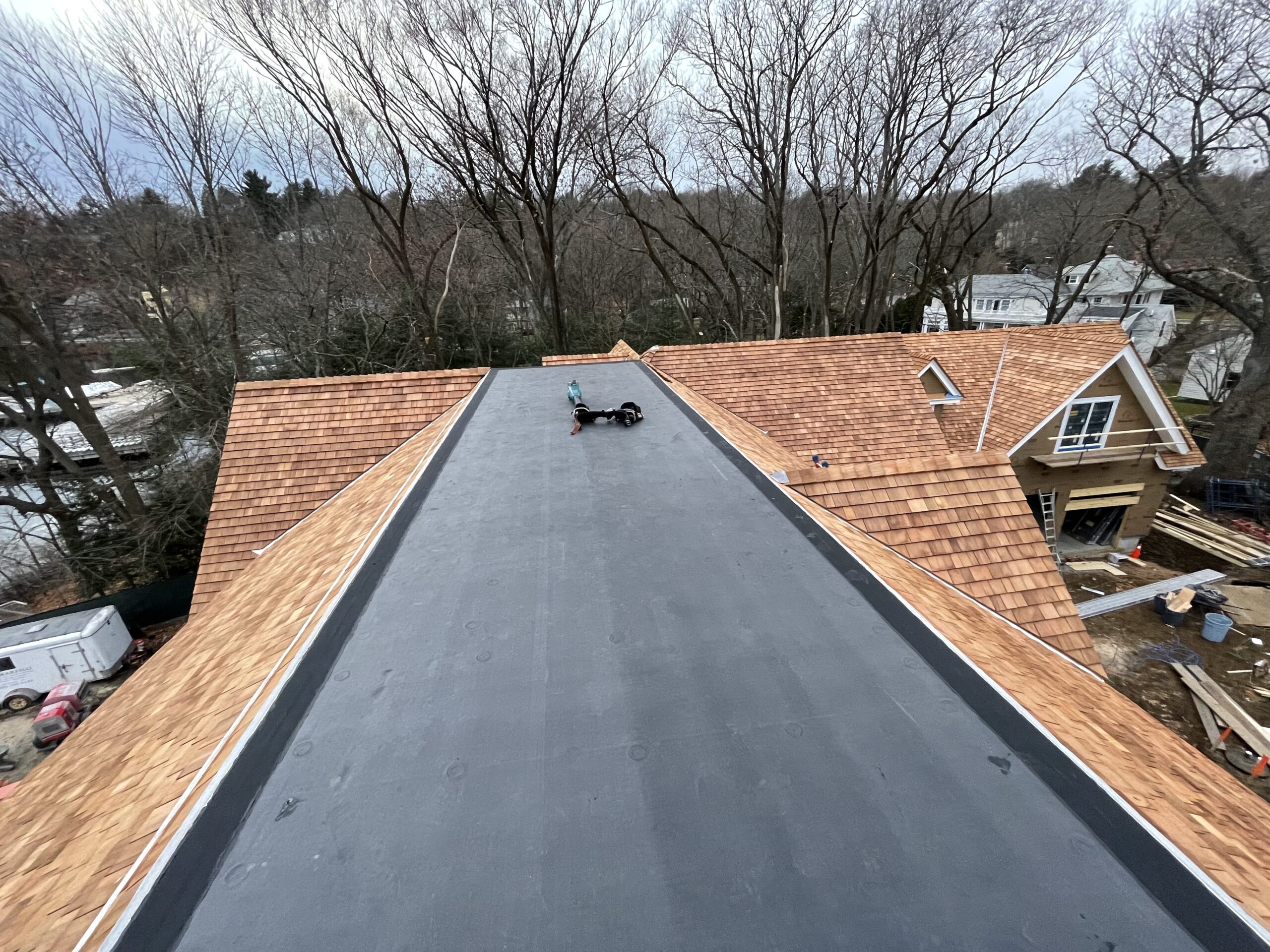
Cape Cod Climate: The Ultimate Test for Roofing Membranes
Before comparing materials, it's essential to understand the conditions they'll face. Cape Cod isn't just a tourist postcard—it presents serious challenges for any roofing system:
- Salt air exposure: Accelerates degradation of certain polymers and corrodes metal components.
- UV radiation: Sunlight reflected off water intensifies the load on roofing materials.
- Sharp temperature swings: Winter thaws and summer heat cause materials to expand and contract.
- High humidity: Promotes algae and mold growth on membrane surfaces.
- Storm-force winds: Create stress on fasteners and seams.
Both EPDM and TPO can perform in these conditions—but only with proper thickness selection, color choice, and installation methods.
EPDM (Rubber Roofing): Proven Classic
Ethylene Propylene Diene Monomer (EPDM)—synthetic rubber used in flat roofing since the 1960s. It's the workhorse of commercial construction.
EPDM Advantages:
- Cold-temperature flexibility: Won't crack even in severe freezing—critical for Massachusetts winters.
- Puncture resistance: Dense rubber structure withstands foot traffic, dropped tools, and branches.
- Easy repairs: Localized damage is easily patched with specialized tapes or liquid rubber.
- Chemical resistance: Unaffected by oils, greases, and some industrial emissions.
- Longevity: With proper installation, lasts 25–30 years without losing weathertightness.
Considerations:
- Black color absorbs heat, potentially increasing summer cooling costs.
- Seams are adhesively bonded, not welded—requiring quality control during installation.
- Can attract algae in shaded areas (solvable with treatment).
For more on technical specifications and project examples, visit our rubber roofing page.
TPO (Thermoplastic Polyolefin): The Modern Choice
TPO is a relatively new material that has quickly gained popularity in the commercial sector due to energy efficiency and installation technology.
TPO Advantages:
- Reflective surface: White color reduces building heat gain by 10–25%, saving on air conditioning.
- Welded seams: Hot-air welding creates monolithic bonds stronger than the membrane itself.
- Biological resistance: Doesn't attract algae, mold, or mildew.
- Eco-friendly: Contains no chlorine, fully recyclable.
- Thickness options: Available from 45 to 80 mil for various load requirements.
Considerations:
- Less flexible in extreme cold (requires careful winter installation).
- Quality varies significantly by manufacturer—choosing certified systems is critical.
- Cost can be higher than basic EPDM options.
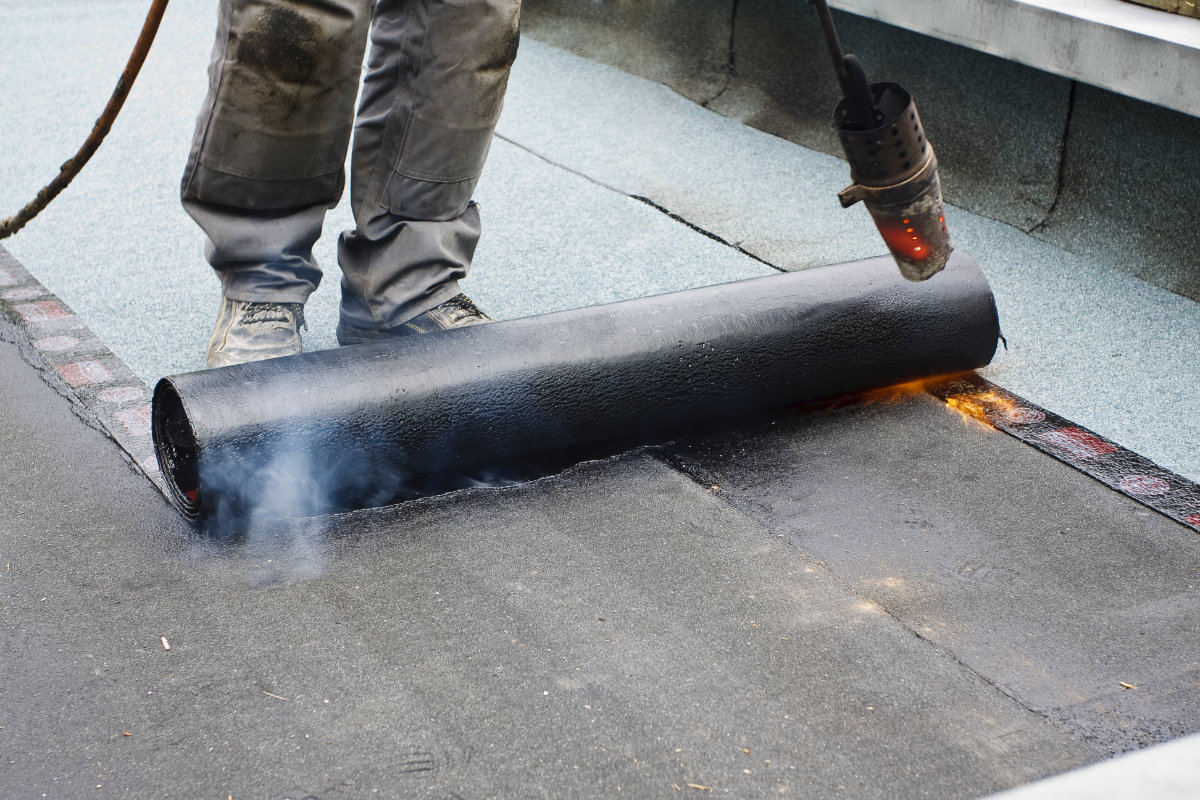
Comparison Table: EPDM vs. TPO (2026)
| Factor | EPDM (Rubber) | TPO (Thermoplastic) |
|---|---|---|
| Lifespan | 25–30 years | 15–25 years |
| Color Options | Black (white less common) | White, light gray, tan |
| Seam Installation | Adhesive bonding | Hot-air welding |
| Cold Flexibility | Excellent | Good (requires caution) |
| Energy Efficiency | Standard | High (reflects heat) |
| UV Resistance | Good | Excellent |
| Repairability | Simple | Requires welding equipment |
| Material Cost | $4.50 – $8.50/sq. ft. | $5.00 – $9.50/sq. ft. |
Note: Prices reflect Cape Cod conditions in 2026. Final quotes depend on square footage, accessibility, deck condition, and flashing complexity.
Which Should You Choose for Your Cape Cod Property?
There's no universal answer—it depends on your building's specifics and goals.
Choose EPDM If:
- Your property is in a shaded area or surrounded by trees (black color isn't critical).
- Maximum flexibility and puncture resistance are priorities.
- Budget is constrained but you need proven reliability.
- Planned periodic roof access for equipment maintenance.
Choose TPO If:
- The building is actively air-conditioned in summer (white surface reduces HVAC load).
- Modern appearance and "green" building standards matter.
- Property is in an open area with high sun exposure.
- You plan long-term operation with minimal intervention.
Cape Cod Tip: In coastal zones (first row from ocean), we recommend membranes 60 mil or thicker with reinforced fasteners—wind and salt create additional stress.
Installation Matters: Why Contractor Choice Trumps Material Selection
Even the best material won't perform if installed incorrectly. For flat roofs on Cape Cod, these factors are critical:
- Deck preparation: Dry, level, sound substrate is the foundation of longevity.
- Seam quality: For EPDM—adhesion testing; for TPO—visual weld inspection.
- Flashing details: Where parapets, pipes, and vents meet the roof are high-risk zones. We use copper or aluminum flashings with dual sealing.
- Drainage design: Proper slope and clear drains prevent ponding water.
Our team specializes in commercial flat roofing throughout Cape Cod. We know how to work with historic buildings, comply with local codes, and guarantee results for decades. See examples on our flat roofing services page.
Commercial Flat Roof Maintenance: Checklist
Membrane roofing requires regular attention. Here's a minimum maintenance plan for extending service life:
Quarterly:
- Inspect membrane for cracks, blisters, damage
- Clear drains and scuppers of debris
- Check flashing and seam integrity
After Storms:
- Quick visual inspection for mechanical damage
- Verify fasteners and edge zones haven't lifted
Every 3–5 Years:
- Professional diagnostics with infrared thermal imaging
- Seam condition assessment and localized repair if needed
Important: Many manufacturers require regular maintenance to keep warranties valid. We offer preventive maintenance programs for Cape Cod commercial properties.
Frequently Asked Questions from Commercial Property Owners
Can I install solar panels on a membrane roof?
Yes, but proper mounting is critical. We use ballasted systems or specialized brackets with additional waterproofing to maintain membrane integrity.
What if water ponds on the roof after rain?
Minor temporary ponding (up to 48 hours) is acceptable for some membranes. But if water stands longer—it signals slope issues or drain blockage requiring diagnosis.
Can I install new membrane over old?
Sometimes—yes, if the deck is dry and sound. But we often recommend full tear-off to assess deck condition and ensure proper ventilation. This is an investment in long-term reliability.
How do I extend my existing membrane's life?
Regular cleaning, timely repair of minor damage, and protection from mechanical loads are the three pillars of longevity. We help develop customized maintenance plans for your property.
Unsure Which to Choose? See Real Projects
The best way to decide is to see materials in action. Browse our project gallery featuring commercial flat roofing on Cape Cod:
- EPDM membrane replacement at a Woods Hole warehouse complex
- TPO system installation on a Hyannis office building
- Comprehensive roof reconstruction for a Provincetown restaurant with reinforced flashings
Pay attention to details: how seams are organized, how flashings look, how materials age in coastal conditions.
Ready to Discuss Your Commercial Roofing Project?
Whether you're leaning toward proven EPDM or modern TPO, proper installation is everything. Even the best membrane won't last if installed incorrectly.
We provide free consultations, help compare options for your budget and technical requirements, and calculate accurate estimates accounting for Cape Cod specifics.
Need a commercial flat roofing specialist on Cape Cod? We serve the entire peninsula—from Bourne to Provincetown. Call today to choose a solution that will perform for decades.