
EPDM vs. TPO vs. PVC Roofing: Which Flat Roof System Is Right for You?
When choosing a roofing system for a flat or low-slope roof, three common options are EPDM, TPO, and PVC. All three are single-ply roofing membranes, but they differ in composition, seam installation, performance characteristics, and installation requirements.
There is no single best option for every building. The right choice depends on the roof's design, environmental conditions, energy-efficiency goals, budget, and installation quality. For homes and commercial properties on Cape Cod and the South Shore, wind exposure, rainfall, and effective drainage are also important considerations.
What Are EPDM, TPO, and PVC Roofing?
EPDM Roofing
EPDM is a synthetic rubber roofing membrane made from ethylene propylene diene monomer. It is known for its flexibility and resistance to ultraviolet radiation and weather exposure.
EPDM is widely used on flat and low-slope roofs. The membrane is typically black, although other options are available. Seams are generally formed using compatible seam tapes, adhesives, and other components specified by the manufacturer.
EPDM is often considered for projects where flexibility, an established installation method, and the ability to repair localized damage are important.
TPO Roofing
TPO is a thermoplastic polyolefin roofing membrane. It is commonly available in white and other light colors and is widely used on flat and low-slope roofs.
TPO seams are typically heat-welded. When the appropriate system is used and the work is performed correctly, heat welding creates strong connections between membrane sheets.
A light-colored TPO membrane can reflect a significant amount of solar radiation and help reduce roof surface temperatures. The actual effect depends on the membrane's properties, insulation, and overall roof design.
PVC Roofing
PVC is a roofing membrane made from polyvinyl chloride. Like TPO, it is a thermoplastic roofing system, with seams typically joined using hot-air welding.
PVC is used on flat and low-slope roofs, including applications where resistance to certain chemicals is an important consideration. Its specific properties depend on the membrane formulation and the manufacturer's specifications.
As with any roofing system, compatibility with the building's operating conditions should be evaluated before selecting a material.

EPDM vs. TPO vs. PVC: Key Differences
| Feature | EPDM | TPO | PVC |
|---|---|---|---|
| Material type | Synthetic rubber | Thermoplastic membrane | Thermoplastic membrane |
| Typical colors | Black | White or other light colors | White and other colors |
| Seam installation | Typically seam tape and compatible adhesives | Typically hot-air welding | Typically hot-air welding |
| Solar reflectivity | Black membranes generally absorb more solar heat | Light-colored membranes can offer high reflectivity | Light-colored membranes can offer high reflectivity |
| Flexibility | Flexible rubber membrane | Depends on product formulation and specifications | Depends on product formulation and specifications |
| Chemical resistance | Depends on the type of exposure | Depends on the specific product | Some formulations are designed for enhanced resistance to certain chemicals |
| Repair options | Localized repairs may be possible with compatible materials and proper preparation | Repairs are possible using the appropriate procedures | Repairs are possible using the appropriate procedures |
| Project cost | Depends on the system and scope of work | Depends on the system and scope of work | Depends on the system and scope of work |
These are general distinctions rather than universal performance guarantees. Specific material properties, warranty terms, and installation requirements should always be verified for the product being considered.
Which Roofing Membrane Is Best for a Flat Roof?
The right choice depends on the characteristics that matter most for your building.
When to Consider EPDM
EPDM may be a suitable option when a project calls for:
- A flexible membrane that accommodates temperature changes.
- Resistance to ultraviolet exposure and normal weather conditions.
- The potential for localized repairs if damage occurs.
- Compatibility with the roof structure and selected attachment method.
However, the membrane's color, drainage conditions, and substrate requirements should also be considered. Black EPDM can reach higher surface temperatures in direct sunlight than light-colored roofing materials.
When to Consider TPO
TPO may be worth considering when a light-colored, reflective roof surface is a priority.
The membrane's specific performance characteristics, seam-welding requirements, operating conditions, and manufacturer specifications all matter. Not all TPO products have identical properties, so compare individual roofing systems rather than relying on the material name alone.
When to Consider PVC
PVC may be a good option when a project requires resistance to certain chemicals or other specific environmental exposures.
However, chemical resistance varies by formulation. Verify that the particular membrane is suitable for the substances and conditions it may encounter during service.
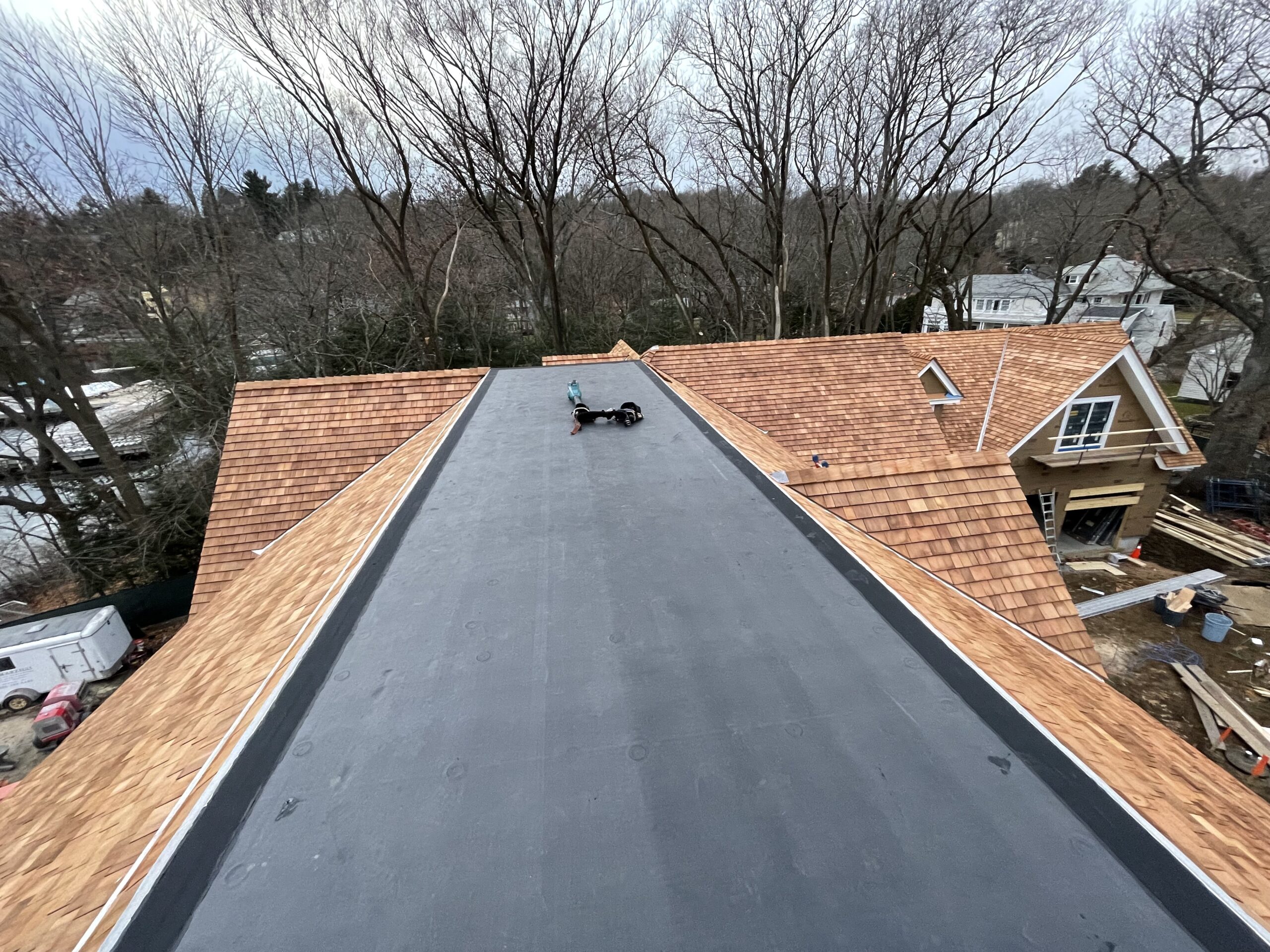
Which Roofing Membrane Is Best for Cape Cod and the South Shore?
Choosing a roofing membrane for a property on Cape Cod or the South Shore requires consideration of local conditions, but climate alone should not determine the decision.
In coastal areas, several factors deserve particular attention.
Wind exposure. The membrane attachment system, roof perimeter, and flashing details must be appropriate for the building's construction and applicable requirements.
Rainfall and drainage. EPDM, TPO, and PVC cannot compensate for inadequate slope or poorly designed drainage. Water must be directed away from the roof according to the design of the roofing system.
Temperature changes and solar exposure. Each material has its own performance characteristics. Consider not only outdoor temperatures but also roof surface temperatures, membrane properties, and the overall roof assembly.
Installation quality. Even a suitable membrane may fail to deliver the expected performance if the substrate, attachment system, seams, or flashing are installed incorrectly.
The most appropriate system should be selected after evaluating the existing roof and defining the project's technical requirements.
Which Lasts Longer: EPDM, TPO, or PVC?
A roof's service life cannot be determined by material type alone. It depends on the specific product, installation quality, substrate condition, drainage, environmental exposure, and maintenance.
EPDM has a long history of use in roofing systems. TPO and PVC are also widely used for commercial and other flat-roof applications, although their performance characteristics vary by manufacturer and product.
When comparing expected service life, review the manufacturer's documentation, warranty conditions, and maintenance requirements. Keep in mind that a warranty period does not necessarily equal the roof's actual service life.
Which Is More Affordable: EPDM, TPO, or PVC?
There is no universal rule that one of these materials is always less expensive than the others. The total cost depends on roof size and layout, membrane thickness, attachment method, insulation, removal of the existing roof, and the amount of additional work required.
For example, two estimates with the same price per square foot may include different membrane specifications, attachment systems, and levels of substrate preparation.
To compare proposals accurately, check:
- The specific membrane product and thickness.
- Whether removal of the existing roof is included.
- Which substrate preparation and insulation work is covered.
- How seams, flashing, and roof penetrations will be completed.
- Whether drainage corrections are included.
- What warranties apply to the materials and installation.
Compare the complete scope of work, not just the initial price. Maintenance requirements and expected performance should also factor into the decision.
How to Choose Between EPDM, TPO, and PVC
Before selecting a roofing membrane, consider the following questions:
- What is the roof's construction, and is it suitable for the proposed system?
- Does the existing roof need to be removed, or does the substrate require repairs?
- What are the building's insulation and energy-efficiency requirements?
- Will the membrane be exposed to substances that could affect its performance?
- How is water currently drained from the roof?
- Which attachment methods are appropriate for the building?
- What manufacturer specifications and building code requirements apply?
- What materials, labor, and warranty coverage are included in the estimate?
Answering these questions helps you select a roofing system based on the building's actual needs rather than price or popularity alone.
EPDM Roofing Installation on Cape Cod and the South Shore
If you're planning a flat roof installation or replacement on Cape Cod or the South Shore, start by assessing the existing roof and identifying the requirements for the new system.
ANPoint Exteriors provides roofing services for properties throughout these areas of Massachusetts. When planning a project, it's important to consider the roof's layout, substrate condition, drainage, and the installation requirements of the selected roofing material.
Contact ANPoint Exteriors to discuss your roofing project and determine which options may be appropriate for your property.