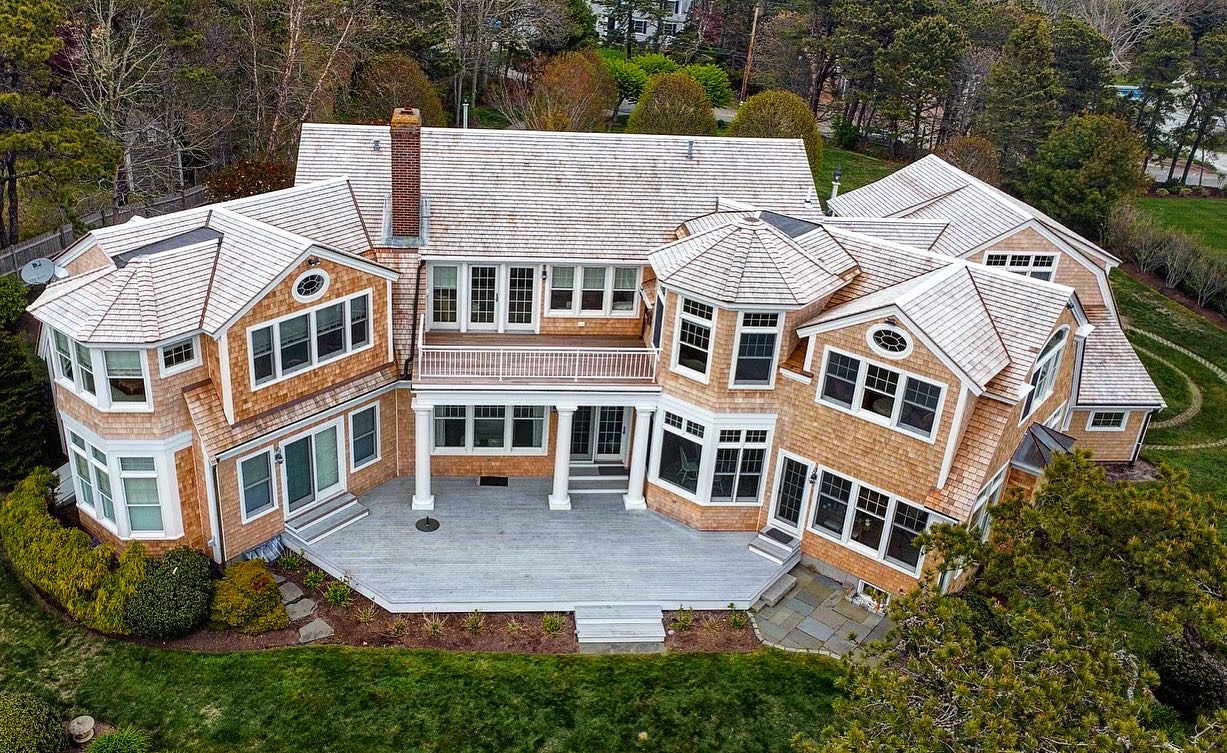
Should You Insulate Your Roof During a Home Renovation in Cape Cod and the South Shore? A Complete Guide
Renovating a home in Cape Cod or the South Shore is always a complex process where every detail matters. One of the key questions Massachusetts homeowners face is whether roof insulation is necessary during a major renovation or if simply replacing the roofing material is enough. Based on over a decade of experience in the region, we can confidently say that ignoring roof insulation is a strategic mistake that will cost more over time than the renovation itself.
Why Do Older Homes in Cape Cod Require Special Attention?
Homes built decades ago in towns like Barnstable, Plymouth, Falmouth, or Duxbury were originally designed for milder winters and cheaper energy costs. Today, the climate has changed, presenting homeowners with new challenges:
- Atlantic humidity and salt air. Proximity to the ocean creates a harsh environment for roofing materials. If the roofing "assembly" is installed incorrectly, moisture can condense inside, soaking the insulation and rafters. This leads to wood rot and structural damage, even if new shingles are installed on top.
- Ice dams. A common problem for many Cape Cod and South Shore homes. Heat loss through a poorly insulated roof melts snow, which then refreezes at the eaves, forming ice dams and icicles. This not only poses safety risks but also damages gutters and roofing materials.
- Hurricane-force winds. Storms, including nor'easters, demand secure roof fastening. However, if rafters have rotted due to condensation, no amount of nails or fasteners will prevent roof failure.
This is why a simple roof replacement without addressing insulation and ventilation issues is only half the solution. We always begin with a thorough inspection, evaluating existing insulation, the condition of the rafters, and the presence of ventilation gaps.
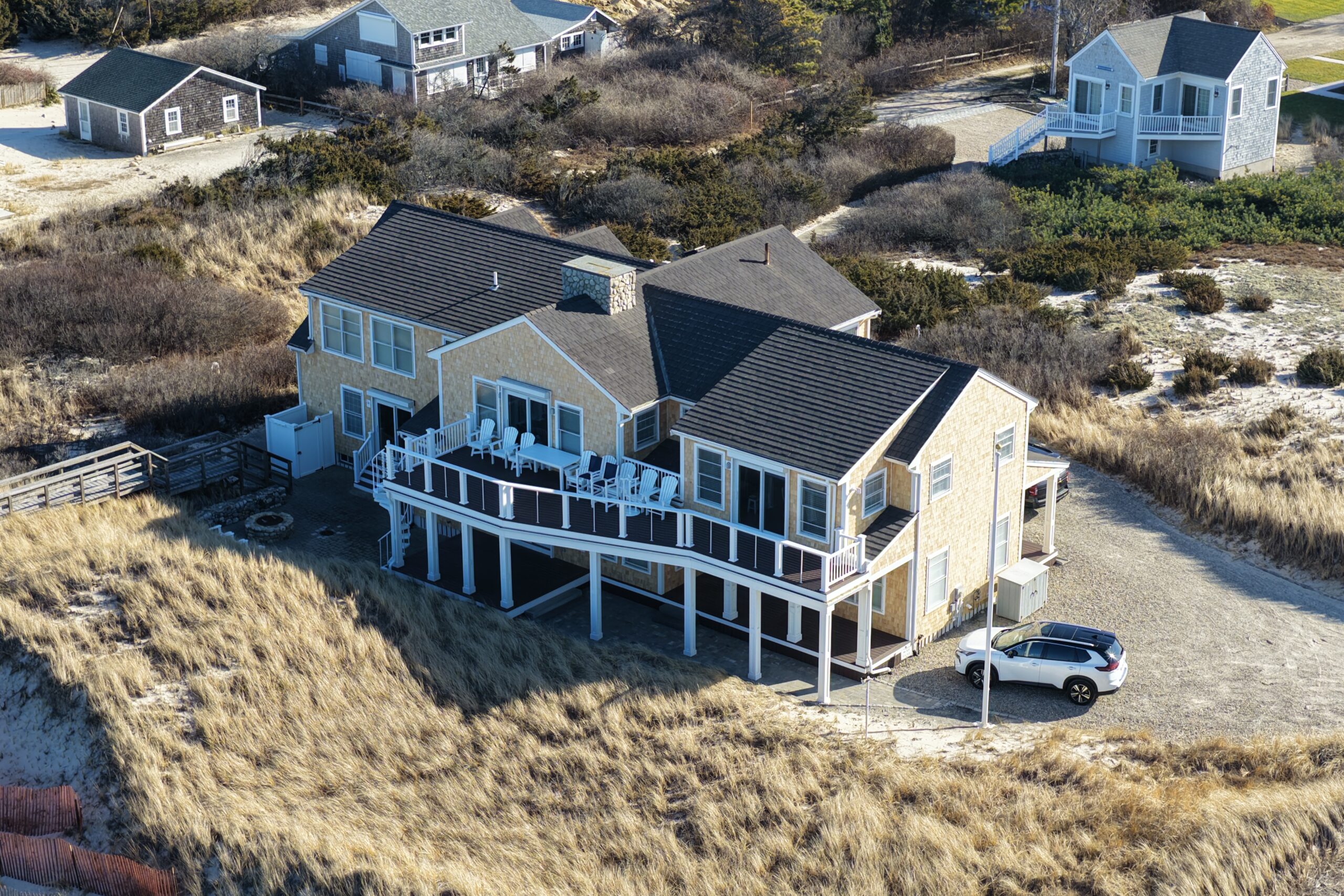
When Roof Insulation Is Necessary (and When It Might Not Be)
The decision should be individualized, but there are clear indicators that insulation is critical:
- Converting the attic into living space. If you plan to build a finished attic or loft, a full thermal envelope with vapor barrier and ventilation is essential. Without it, the space will be damp and cold.
- Ice dams and icicles forming in winter. This is a clear sign of heat loss. Proper roof insulation is the only fundamental solution that prevents monthly ice buildup.
- Old or compromised insulation. In towns like Brewster, Chatham, or Orleans, high humidity often leaves old insulation compressed, wet, or infested by rodents. Replacing it during roof renovation is the only cost-effective way to ensure proper thermal protection.
- Upgrading the heating system. Modern heat pumps operate most efficiently in well-insulated homes. Without proper roof insulation, heat loss can negate the energy savings.
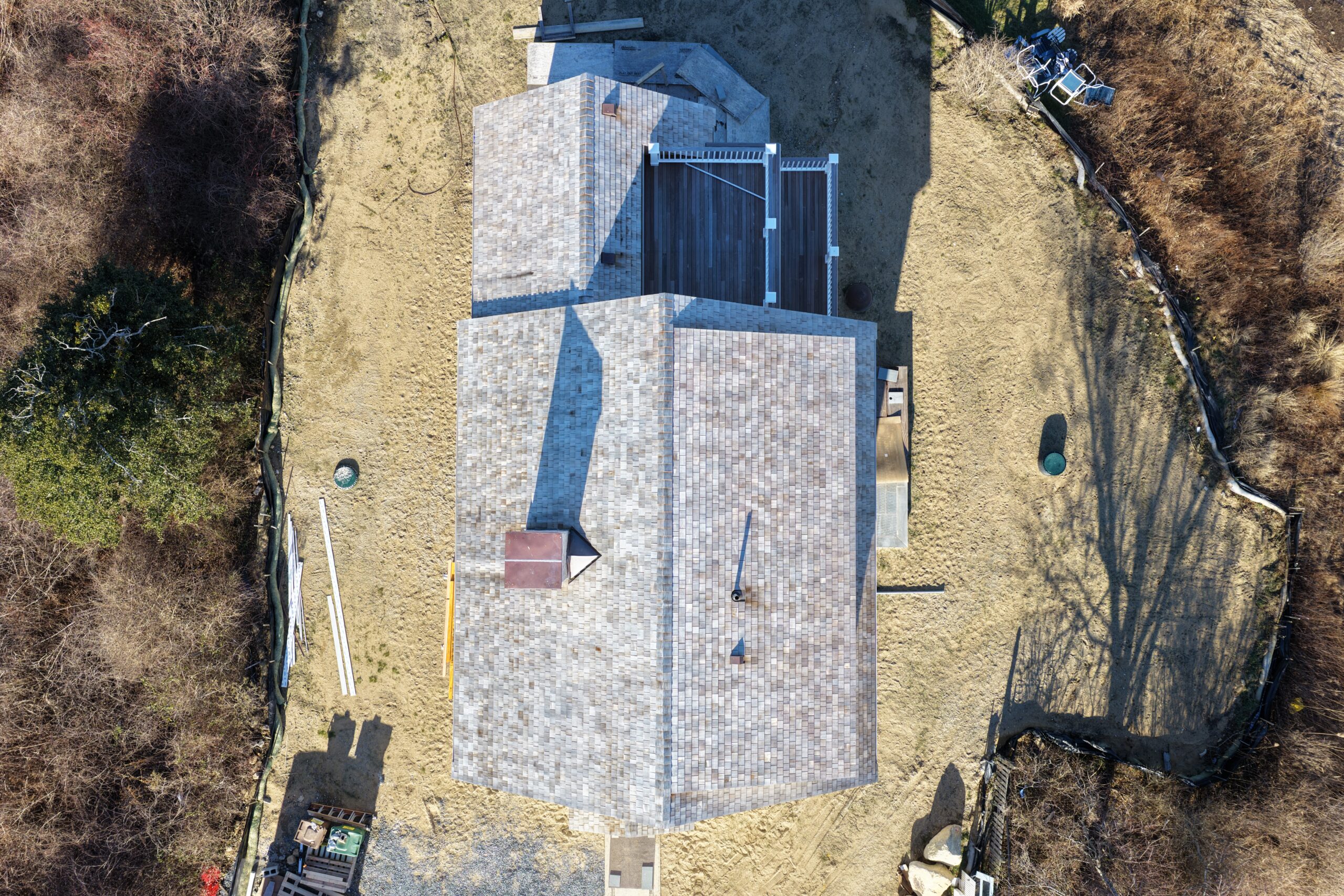
How We Insulate Roofs: Technology for Coastal Homes
Standard solutions often fail in areas with high humidity and frequent temperature swings. We use a proven ventilated roofing assembly adapted for New England conditions. Proper ventilation is especially crucial when installing cedar roofing or copper roofing.
- Interior vapor barrier. The first layer from the attic side is a sealed vapor barrier with taped seams, preventing warm, moist indoor air from entering the insulation. Mistakes here can lead to wet insulation within the first year.
- Primary insulation. We use only breathable, non-combustible materials such as mineral wool or cellulose. Foam insulation is not suitable for pitched roofs, as it creates a "greenhouse" effect that damages the wood.
- Ventilation gap. A minimum 2-inch gap between the insulation and roof covering allows air to flow from the eaves to the ridge, removing any incidental moisture and keeping rafters dry.
- Exterior water- and windproof membrane. A high-diffusion membrane protects insulation from leaks while allowing vapor to escape, preserving the structural integrity.
This approach works with all types of roofing, including asphalt roofing, modern metal roofing, or flat roofing often finished with rubber roofing.
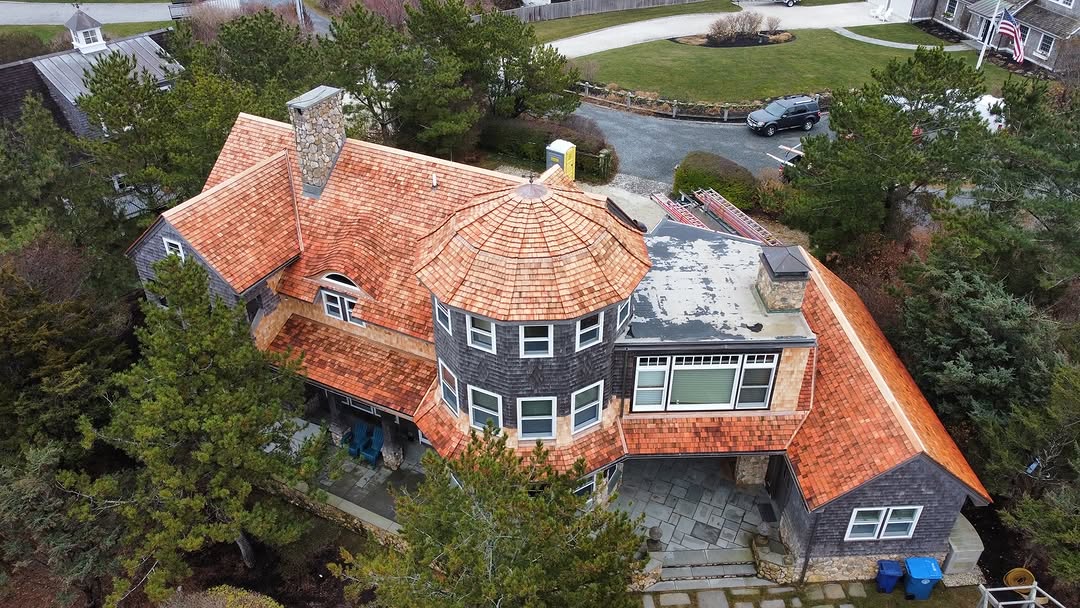
Common Mistakes Homeowners Make and How to Avoid Them
Many South Shore homeowners, including those in Cohasset, Hingham, and Scituate, try to cut costs or DIY their insulation, often making typical mistakes:
- Blocking ventilation. Filling eaves with insulation or covering ridge vents kills airflow, turning the attic into a steam chamber.
- Thermal bridges. Poorly fitted insulation between rafters or using thin boards allows heat to escape as quickly as through an uninsulated wall.
- No vapor barrier. Skipping the interior film is the most common reason insulation gets wet in the first winter.
- Insulating before repairing. Assuming insulation can fix rotted rafters. Structural repair must come first, then insulation.
Our Projects and Service Areas
We take pride in helping homeowners create comfortable and durable homes. Our service area covers all major Cape Cod and South Shore locations:
- Upper Cape: Barnstable, Falmouth, Mashpee, Sandwich
- Mid Cape: Barnstable, Centerville, Cotuit, Dennis, Hyannis, Marstons Mills, Osterville, West Barnstable, Yarmouth
- Lower Cape: Brewster, Chatham, Harwich, Orleans
- Outer Cape: Eastham, Provincetown, Truro, Wellfleet
- South Shore (MA): Cohasset, Duxbury, Hingham, Kingston, Marshfield, Pembroke, Plymouth, Scituate
Every project is completed according to local building codes, wind load requirements, and the unique challenges of the coastal climate. We use only materials recommended for these conditions, ensuring long-lasting performance and comfort.