
Common Roof Installation Problems and How to Avoid Them on Cape Cod and South Shore
Building or renovating a roof is often considered the final step in a home improvement project. Once the roofing material is installed, the house looks complete and protected. However, the true quality of a roof installation rarely becomes apparent on the day the work is finished.
The real test happens during the first full seasonal cycle. In coastal regions such as Cape Cod and the South Shore, a roof must withstand intense summer sun, heavy autumn storms, winter freeze-thaw cycles, and strong coastal winds. These conditions often reveal installation mistakes that were not visible immediately after construction.
In many cases, the roof may look perfectly fine from the outside while hidden issues begin developing within the roofing system. Over time, small installation errors can lead to leaks, insulation damage, or structural deterioration.
How Roofing Problems Develop Over Time
A roof is not just the visible outer layer. It is a multi-layer system designed to manage temperature, moisture, and airflow. A properly built roof typically includes:
- vapor barrier
- insulation layer
- ventilation gap
- waterproof underlayment
- roof deck or sheathing
- exterior roofing material
If even one of these components is installed incorrectly, the entire system may not function properly. For example, poor ventilation can trap moisture inside the attic, while mistakes in waterproofing can slowly allow water to penetrate the structure.
Because these issues develop gradually, homeowners often notice them only after months or even years.
Examples of Our Roofing Projects

Most Common Roof Installation Problems
1. Poor Attic Ventilation
Improper ventilation is one of the most common issues discovered during roof inspections. Homes constantly generate moisture from everyday activities such as cooking, showering, and heating. Without proper airflow in the attic, that moisture can condense on colder roof surfaces.
Over time this may lead to:
- wet insulation
- mold growth
- deterioration of wooden rafters
- higher heating and cooling costs
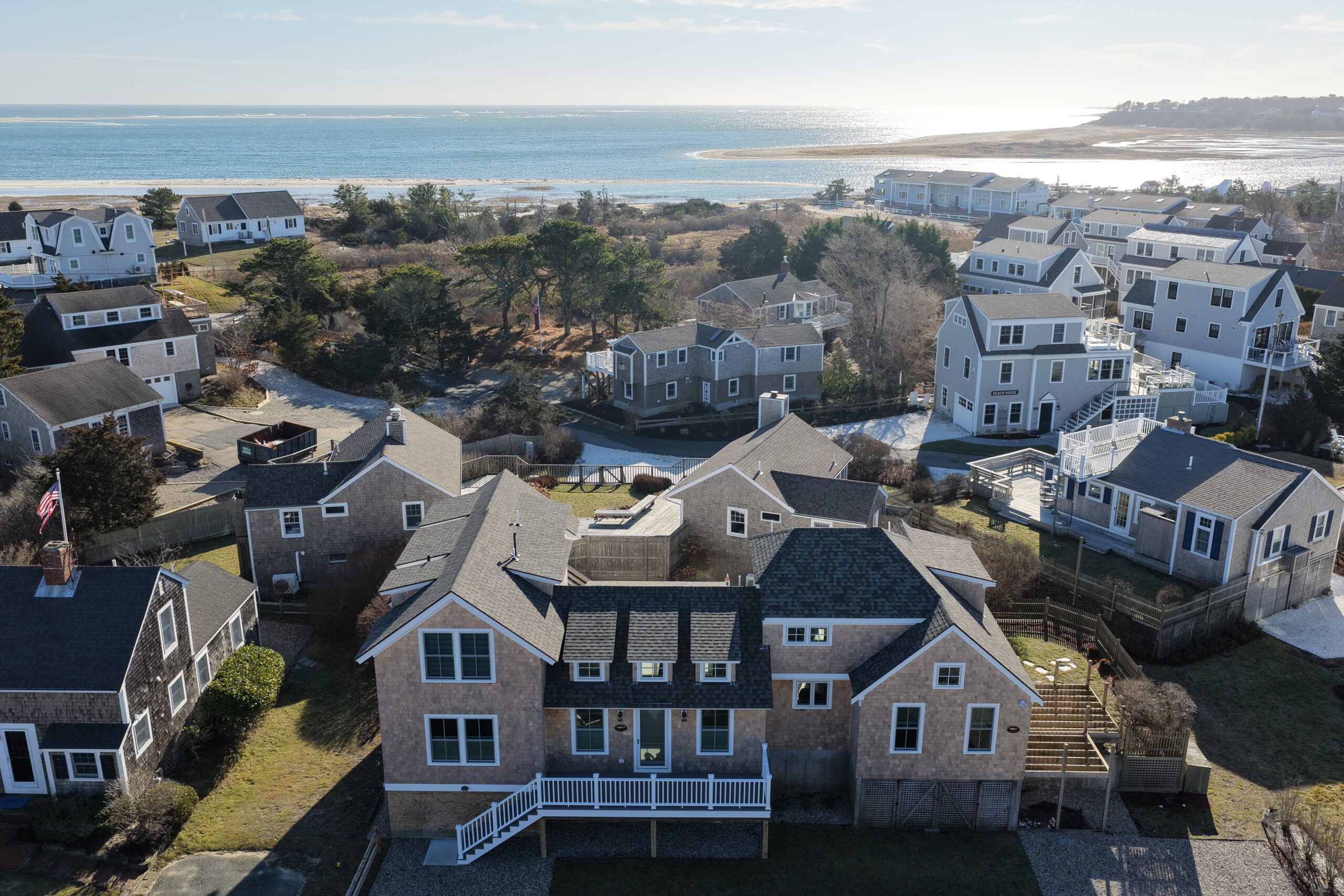
Ventilation becomes even more important in coastal areas like Cape Cod, where humidity levels remain relatively high throughout the year.
2. Incorrect Installation of Roofing Materials
Even high-quality roofing materials can fail prematurely if they are installed incorrectly. During repairs and inspections, roofing professionals frequently encounter issues such as:
- improper shingle overlap
- insufficient fastening
- incorrect nail placement
- uneven installation patterns
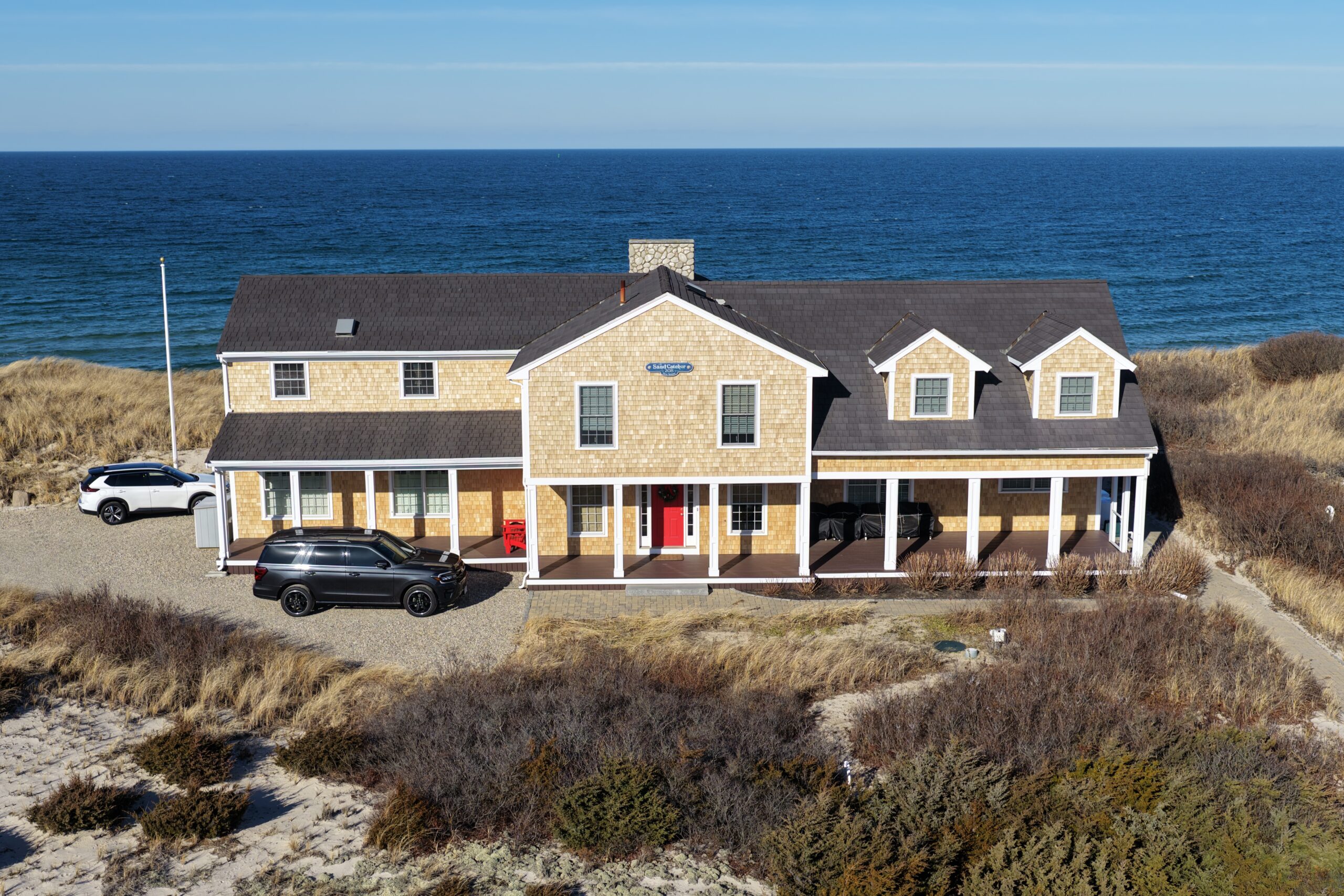
These mistakes may not cause immediate leaks, but after several seasons of wind, rain, and snow, they can lead to loose shingles or water intrusion.
3. Flashing Installation Errors
Flashing refers to the metal components that seal vulnerable areas of the roof. These areas include:
- chimneys
- roof valleys
- vent pipes
- skylights
- roof-to-wall connections
If flashing is installed improperly, water can slowly enter beneath the roofing material. Because these leaks are often small, they may remain undetected until interior damage becomes visible.
4. Poor Quality or Incorrect Underlayment
The underlayment acts as a secondary protective layer beneath the main roofing material. Its purpose is to protect the structure from wind-driven rain or melting snow that may get beneath the surface layer.
When contractors use low-quality materials or skip proper installation steps, the roof becomes far more vulnerable to moisture damage.
Signs Your Roof May Have Installation Issues
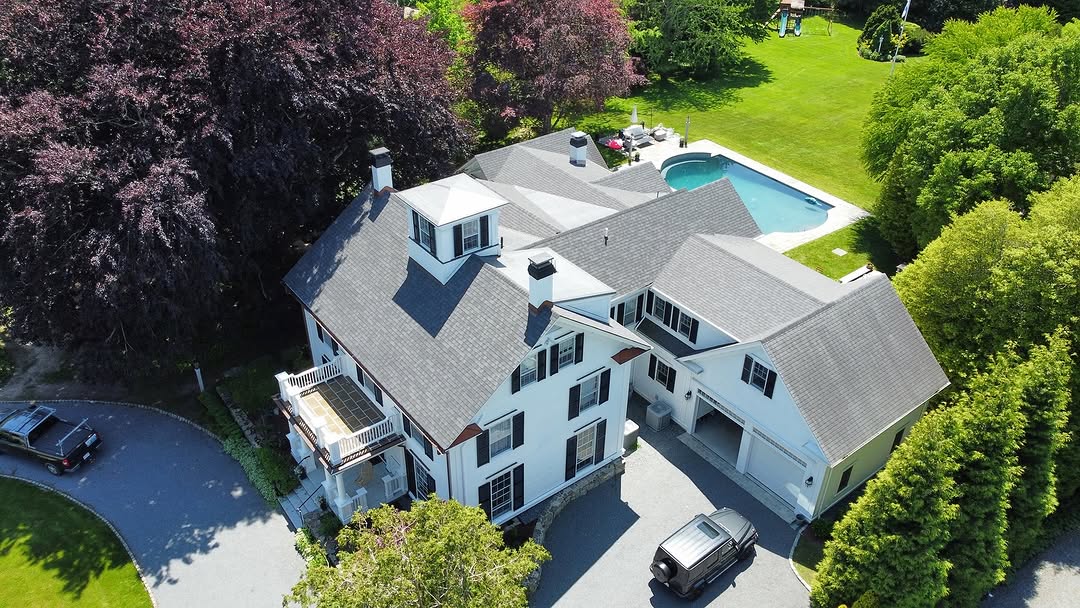
Even without professional equipment, homeowners can often identify early warning signs that something may be wrong.
Large Ice Dams in Winter
Excessive icicles or ice dams along the edge of the roof can indicate poor attic ventilation or insulation problems.
Moisture or Musty Odor in the Attic
A damp smell or visible moisture inside the attic may suggest condensation caused by insufficient airflow.
Uneven Roof Lines
If shingles appear misaligned or uneven, the underlying structure or installation process may have been done incorrectly.
Unusual Noise During Wind
Rattling or vibration during strong winds can indicate that roofing materials were not secured properly.
Professional Installation vs Poor Installation
| Factor | Professional Installation | Poor Installation |
|---|---|---|
| Roof lifespan | 20–50 years | 5–10 years |
| Ventilation | Properly designed airflow | Poor or missing ventilation |
| Water protection | High-quality underlayment | Minimal protection |
| Leak resistance | Proper flashing installation | Higher risk of leaks |
How to Prevent Roofing Problems
The most reliable way to avoid roofing issues is to work with experienced professionals who follow proper installation standards.
A qualified roofing contractor should:
- follow manufacturer installation guidelines
- use high-quality materials
- design proper roof ventilation
- consider local climate conditions
Homes across Cape Cod and the South Shore experience unique environmental conditions, including strong winds and coastal moisture. Proper installation techniques help ensure the roof performs reliably for decades.
Professional roofing companies typically install and service several types of roofing systems, including:
When to Schedule a Roof Inspection
A professional roof inspection may be beneficial in several situations:
- after major storms
- if the roof is more than 10–15 years old
- when early signs of leaks appear
- before purchasing a home
Regular inspections help detect small issues before they develop into costly structural problems.
Free Roof Evaluation
If you notice signs of roofing problems or want to make sure your roof is performing properly, a professional inspection can help identify potential issues early.
Customer Reviews
You can read feedback from homeowners who have worked with our team here:


