
What Is EPDM Roofing? Benefits, Drawbacks & Lifespan
Flat and low-slope roofs require a roofing system that can protect a home from rain, moisture, and changing weather conditions. One popular option is EPDM roofing, a durable synthetic rubber membrane designed for long-term waterproofing.
EPDM is widely used on flat and low-slope roofs because it is flexible, relatively lightweight, and resistant to many forms of weather exposure. However, like any roofing material, it has advantages and limitations. Understanding how EPDM works can help you determine whether it is the right choice for your home.
What Is EPDM Roofing?
EPDM stands for ethylene propylene diene monomer. It is a synthetic rubber material manufactured into a waterproof roofing membrane.
The membrane is installed over a suitable roof surface to create a protective layer that helps prevent water from reaching the structure below. EPDM is most commonly used on flat and low-slope roofs, where traditional shingle roofing may not be suitable.
EPDM roofing is often called rubber roofing because of the material's flexibility and rubber-like properties. It is available in different thicknesses and can be installed using various methods, depending on the roof design and the manufacturer's specifications.
The key to a reliable EPDM roof is not just the membrane itself. Proper surface preparation, secure seams, suitable flashing, and effective drainage all play an important role in keeping the roof watertight.
What Types of Roofs Are Suitable for EPDM?
EPDM roofing is primarily designed for flat and low-slope roofs. It can be a practical solution for several types of residential structures, including:
- Home additions with flat or low-slope roofs
- Garages and detached buildings
- Porches and covered outdoor areas
- Sections of a home with a low-slope roof design
EPDM can also be used on larger roofing areas, provided the roof structure and installation requirements are appropriate.
Before choosing a rubber roofing system, a contractor should assess the roof's slope, existing surface, drainage, and overall condition. These factors help determine whether EPDM is a suitable option and what preparation may be required before installation.
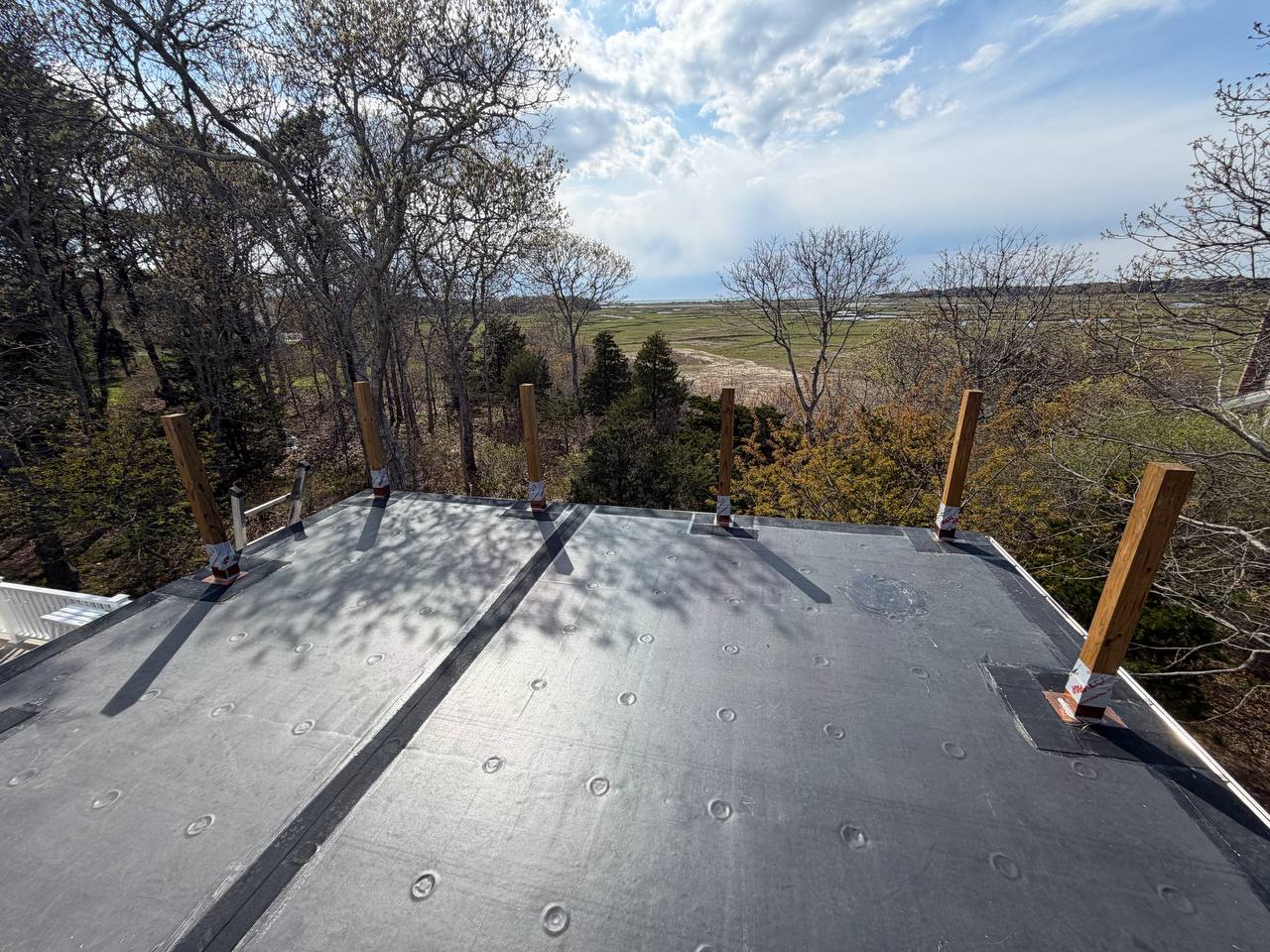
What Are the Benefits of EPDM Roofing?
EPDM roofing offers several advantages that make it a popular choice for flat and low-slope roofs.
Resistance to Weather and UV Exposure
EPDM membranes are designed to withstand prolonged exposure to sunlight and outdoor conditions. The material resists UV degradation and remains flexible through a range of temperatures.
This makes EPDM a practical option for roofs exposed to seasonal weather changes, although the roof's overall performance also depends on installation quality and ongoing maintenance.
Flexibility and Durability
Unlike some rigid roofing materials, EPDM can accommodate normal movement in the roof structure as temperatures change. Its flexibility helps the membrane withstand expansion and contraction over time.
However, flexibility does not eliminate the need for proper installation. Seams, edges, penetrations, and flashing must all be detailed correctly to maintain a watertight roof.
Relatively Lightweight Construction
EPDM membranes are generally lightweight compared with many traditional roofing materials. This can be beneficial when selecting a roofing system for a structure where additional roof weight is a consideration.
The existing roof assembly must still be evaluated to ensure it can support the proposed installation and meet applicable building requirements.
Repairs Can Be Localized
If damage occurs in a limited area, an EPDM roof may be repairable without replacing the entire membrane. The appropriate repair method depends on the type and extent of the damage, the membrane's condition, and the compatibility of the repair materials.
Regular inspections can help identify small problems before they develop into more extensive roof damage.
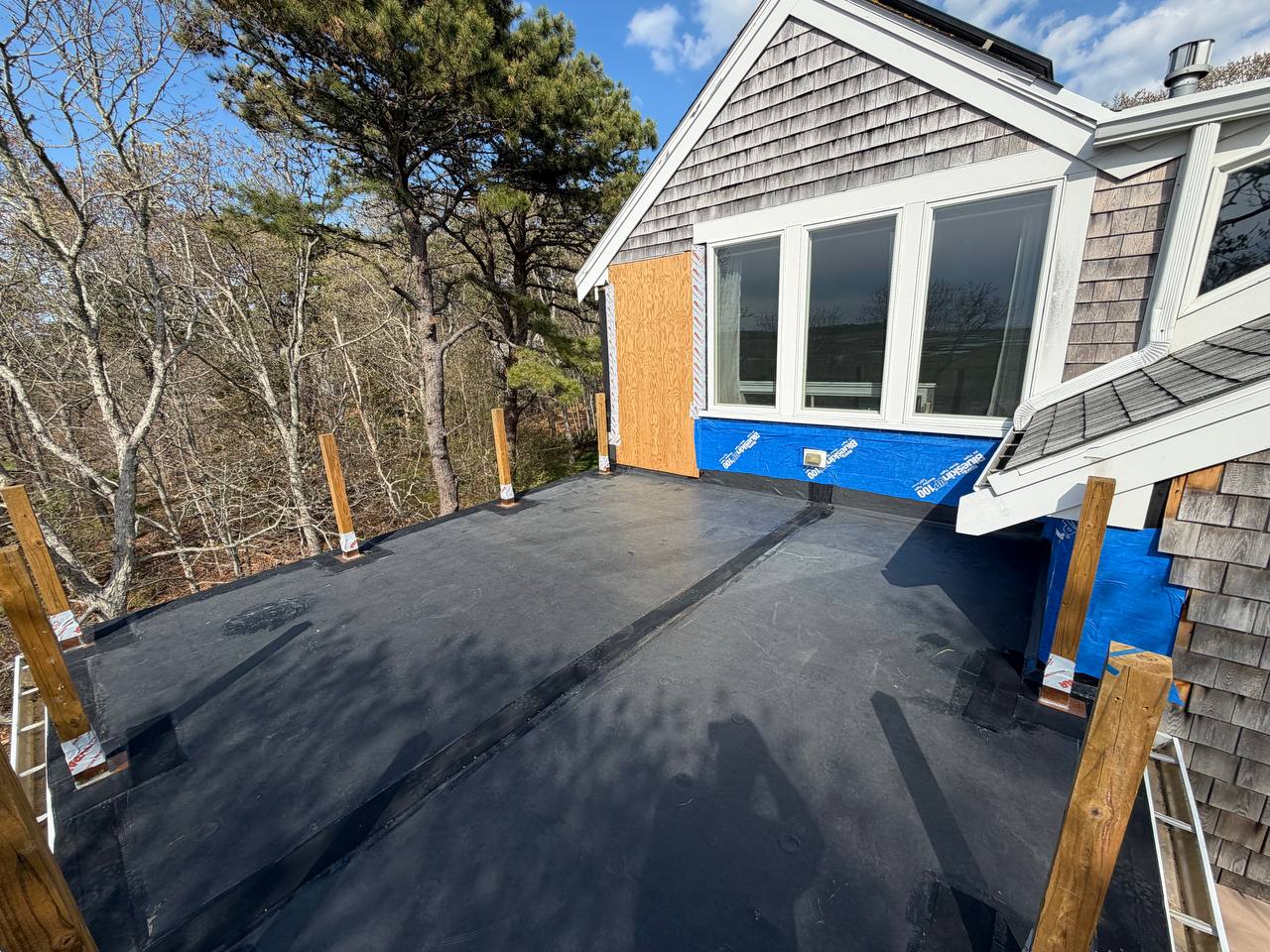
What Are the Drawbacks of EPDM Roofing?
Although EPDM has several advantages, it is not the right solution for every roof.
Installation Quality Matters
A durable membrane cannot compensate for poor workmanship. Improperly prepared seams, poorly sealed penetrations, or incorrectly installed flashing can create points where water may enter.
For this reason, choosing an experienced rubber roofing contractor is an important part of the process.
The Roof Surface Must Be Suitable
EPDM requires a suitable substrate and properly prepared roof surface. If the existing roof has moisture damage, an uneven surface, or deteriorated components, those issues may need to be addressed before the new membrane is installed.
Simply covering an existing roofing problem does not resolve its underlying cause.
Drainage Must Be Effective
A flat roof still needs appropriate drainage. Standing water can place additional demands on the roofing system and may indicate problems with the roof's slope, drains, or overall design.
Before installing an EPDM flat roof, it is important to assess how water moves across the surface and where it will drain.
Appearance May Not Suit Every Home
EPDM is commonly available in black, although other options may be available depending on the system. A dark membrane absorbs more solar heat than a comparable light-colored surface.
For homeowners concerned about roof temperature or appearance, the available membrane options and the design of the roof assembly should be considered before making a decision.
How Long Does an EPDM Roof Last?
An EPDM roof can last 20–30 years or longer under suitable conditions. Its actual lifespan depends on several factors, including membrane quality and thickness, installation workmanship, drainage, weather exposure, and maintenance.
There is no single lifespan that applies to every EPDM roof. A well-installed system on a properly designed roof may perform for decades, while poor drainage, neglected damage, or installation defects can shorten its service life.
Periodic inspections can help identify deteriorating seams, damaged flashing, punctures, and drainage problems. Addressing these issues early may help extend the roof's useful life and reduce the risk of water intrusion.
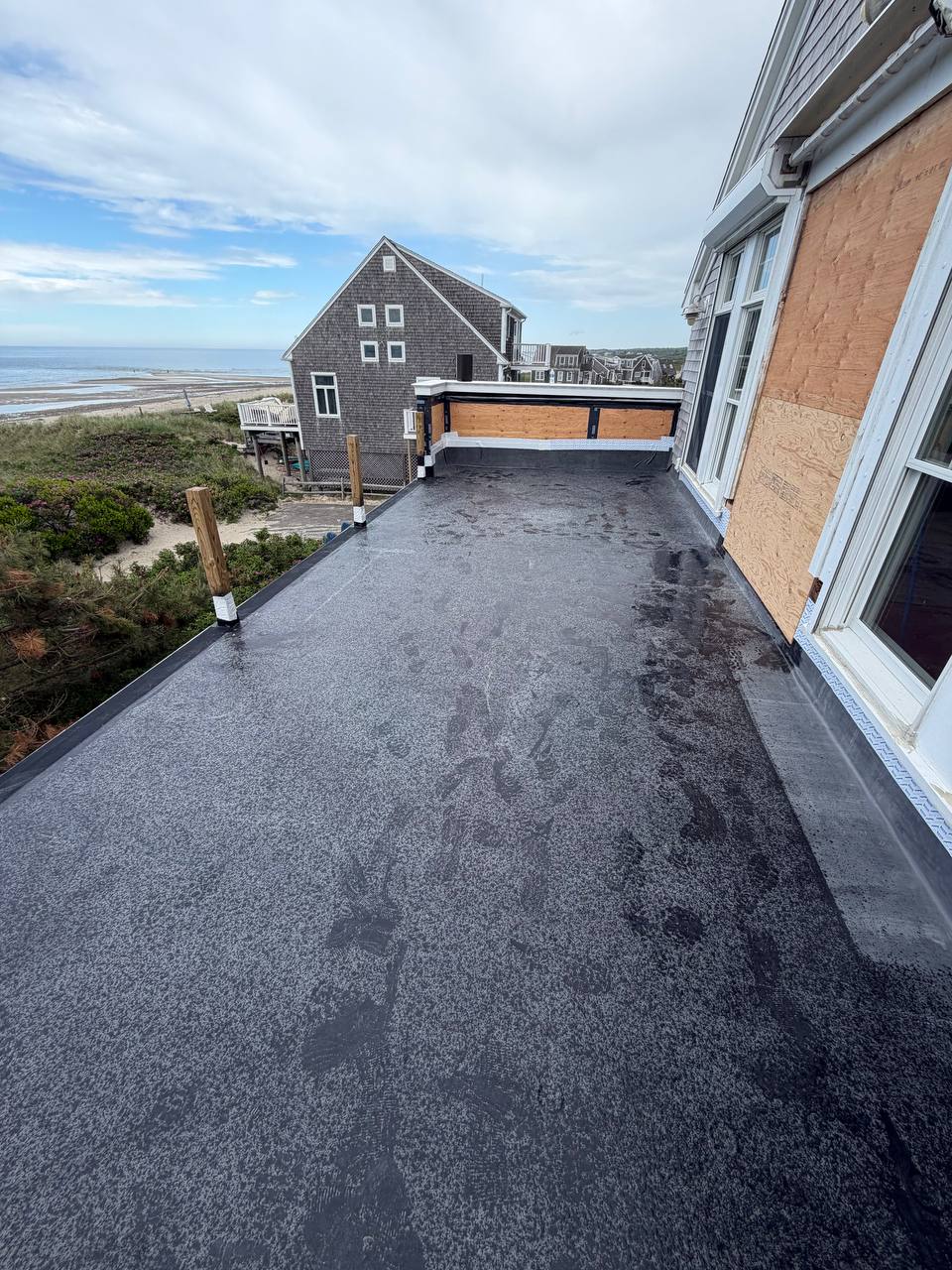
Is EPDM Roofing a Good Choice for Homes on Cape Cod and the South Shore?
Homes on Cape Cod and the South Shore experience changing seasonal conditions, heavy rain, strong winds, and coastal exposure. These factors make the selection and installation of a roofing system especially important.
EPDM can be a suitable option for residential flat and low-slope roofs in these areas. Its flexibility and resistance to UV exposure are useful characteristics, but the membrane alone does not determine how well the roof will perform.
The complete roofing system must be appropriate for the building and local conditions. This includes proper drainage, carefully installed seams and flashing, and secure detailing around roof edges and penetrations.
Salt air and wind exposure should also be considered when selecting compatible roofing components and planning the installation.
The best way to determine whether EPDM is suitable for a particular home is to assess the roof's design, condition, and drainage requirements before choosing a material.
How Do You Know If EPDM Is Right for Your Roof?
EPDM may be worth considering if your home has a flat or low-slope roof and you need a waterproofing system designed for long-term outdoor exposure.
Before making a decision, consider these questions:
- Is the roof flat or low-slope, and is EPDM appropriate for its design?
- Is the existing roof surface in suitable condition for installation?
- Does the roof drain properly, without persistent water accumulation?
- Are there damaged areas or structural issues that need to be addressed first?
- Which EPDM membrane and installation method are appropriate for the property?
A professional assessment can help answer these questions and identify any preparation required before installation.
EPDM Roofing Installation by ANPoint Exteriors
ANPoint Exteriors provides roofing services for homeowners across Cape Cod and the South Shore, Massachusetts. If you are considering an EPDM rubber roof for your home, the first step is to determine whether the material is appropriate for your roof's design and condition.
A properly planned installation takes into account the existing roof surface, drainage, seams, flashing, and other details that help protect the home from water intrusion.
Contact ANPoint Exteriors to discuss your roofing project and explore whether EPDM roofing is the right solution for your property.