
Can EPDM Roofing Be Installed on Any Flat Roof?
EPDM roofing is suitable for many flat and low-slope roofs, but that does not mean it can be installed over every surface without preparation. A reliable roofing system depends on several factors, including roof slope, substrate condition, drainage, roof construction, and the selected membrane attachment method.
Even a high-quality membrane cannot solve problems caused by standing water, a damaged roof deck, or an improperly designed drainage system. Before installing EPDM, it's important to determine whether the existing roof meets the requirements of the chosen system or needs modifications.
Is EPDM Suitable for Every Flat Roof?
EPDM is widely used on flat and low-slope roofs for both residential and commercial buildings. Its flexible membrane can accommodate a variety of roof designs, provided the substrate, attachment method, and other system components meet the manufacturer's requirements.
However, suitability depends on more than the existing roofing material. Before installation, several factors need to be evaluated:
- The roof structure and condition of the existing substrate.
- Roof slope and drainage direction.
- The location and condition of roof drains.
- Compatibility between the membrane and existing materials.
- The appropriate attachment method.
- Whether insulation or other components of the roof assembly need repair or replacement.
If the existing roof has significant defects, repairs or structural modifications may be necessary before the membrane is installed. In some cases, removing the old roofing and restoring the substrate is a better option than installing a new membrane over the existing system.
What Roof Slope Is Required for EPDM Roofing?
EPDM is commonly used on low-slope roofs, including roofs that appear completely flat. However, even a flat roof needs to be designed to direct rainwater toward drains or other designated drainage points.
The minimum required slope depends on the roof design, applicable building codes, and the manufacturer's specifications for the selected roofing system. There is no single slope requirement that can be applied to every roof without considering its construction and operating conditions.
Proper slope helps water flow toward the designated drainage points. However, localized depressions can still collect water even when the roof has an overall slope.
Before installation, the contractor should evaluate both the roof's geometry and the actual drainage pattern. If necessary, the project may require slope corrections or additional components to improve drainage.
Can EPDM Be Installed on a Roof With Standing Water?
EPDM has good water resistance, but that does not mean drainage problems can be ignored.
If large areas of standing water repeatedly remain on the roof after rainfall, the underlying cause should be investigated. Possible issues include:
- Insufficient or improperly designed roof slope.
- Blocked or ineffective roof drains.
- Localized depressions in the roof surface.
- Deflection or deterioration of the roof structure.
- Problems with the original drainage design.
Water remaining on the roof after rainfall does not automatically indicate membrane failure. However, persistent or recurring ponding should be evaluated because it may indicate a problem with the roof assembly or drainage system.
Installing a new membrane over a surface with unresolved drainage issues will not correct the underlying cause. If necessary, the roof deck or drainage system should be addressed before installation.
What Substrate Conditions Are Required for EPDM Roofing?
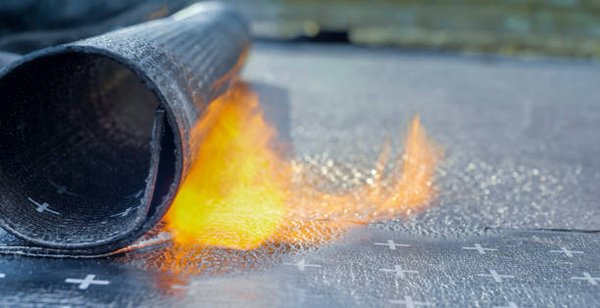
The substrate must meet the requirements of the selected installation system. It needs to provide suitable support for the membrane and be compatible with the materials used to attach or adhere it.
Depending on the roof design, EPDM can be installed over suitable substrates approved for the specific system. Several conditions should be checked before work begins.
Structural Integrity
The substrate must be sufficiently sound and stable for the proposed installation. Areas with unacceptable damage, movement, or deterioration need to be evaluated and repaired before the new roofing is installed.
Moisture Conditions
Moisture trapped in existing roofing layers or insulation can create additional problems. Before the roof assembly is covered, the condition of the existing materials should be assessed to determine whether wet or damaged sections need to be removed.
Surface Condition
Significant irregularities, protrusions, and depressions can complicate installation and affect how the membrane sits on the substrate. Surface preparation requirements depend on the specific roofing system.
Material Compatibility
Not all building materials, coatings, adhesives, and insulation products are compatible with one another. The substrate and all system components should be selected and prepared according to the membrane manufacturer's instructions.
If the existing roof is damaged or shows signs of water intrusion, installing a new membrane without evaluating the underlying layers can conceal problems rather than resolve them.
Can EPDM Be Installed Over an Existing Roof?
In some cases, EPDM can be installed over an existing roofing system. However, this depends on the condition of the existing roof, the building's construction, and the manufacturer's requirements.
Before choosing this approach, determine:
- Whether the existing roofing is sound and stable.
- Whether moisture or damaged materials are present beneath the surface.
- Whether the roof structure can support the additional load.
- Whether the existing layers are compatible with the proposed system.
- Whether the manufacturer permits the installation method.
- Whether the proposed assembly complies with applicable building codes.
If the existing roofing layers are wet, deteriorated, or unstable, installing a new membrane over them may conceal the problem without fixing it.
The decision between installing over the existing roof and removing the old materials should therefore follow a proper roof assessment, rather than being based solely on reducing upfront costs.
How Does Drainage Affect EPDM Roof Performance?
Drainage is an essential part of any flat roofing system. The membrane protects the building against water intrusion, but the roof must also be designed to direct rainwater away from the surface.
During an assessment, the following areas should be checked:
- The location and condition of roof drains.
- Blockages or other obstructions that prevent proper drainage.
- Roof slope toward drainage points.
- The condition of membrane details around drains.
- Areas where the roof deck may have settled or become distorted.
Drains and other drainage components must be properly integrated into the membrane system. If the problem involves their condition or placement, it should be addressed as part of the roofing project.
This is particularly important on buildings where puddles repeatedly form after rainfall or water consistently collects in the same areas.
Is EPDM Suitable for Roofs on Cape Cod and the South Shore?
When considering EPDM roofing on Cape Cod and the South Shore, it's important to evaluate the building itself as well as the membrane's properties.
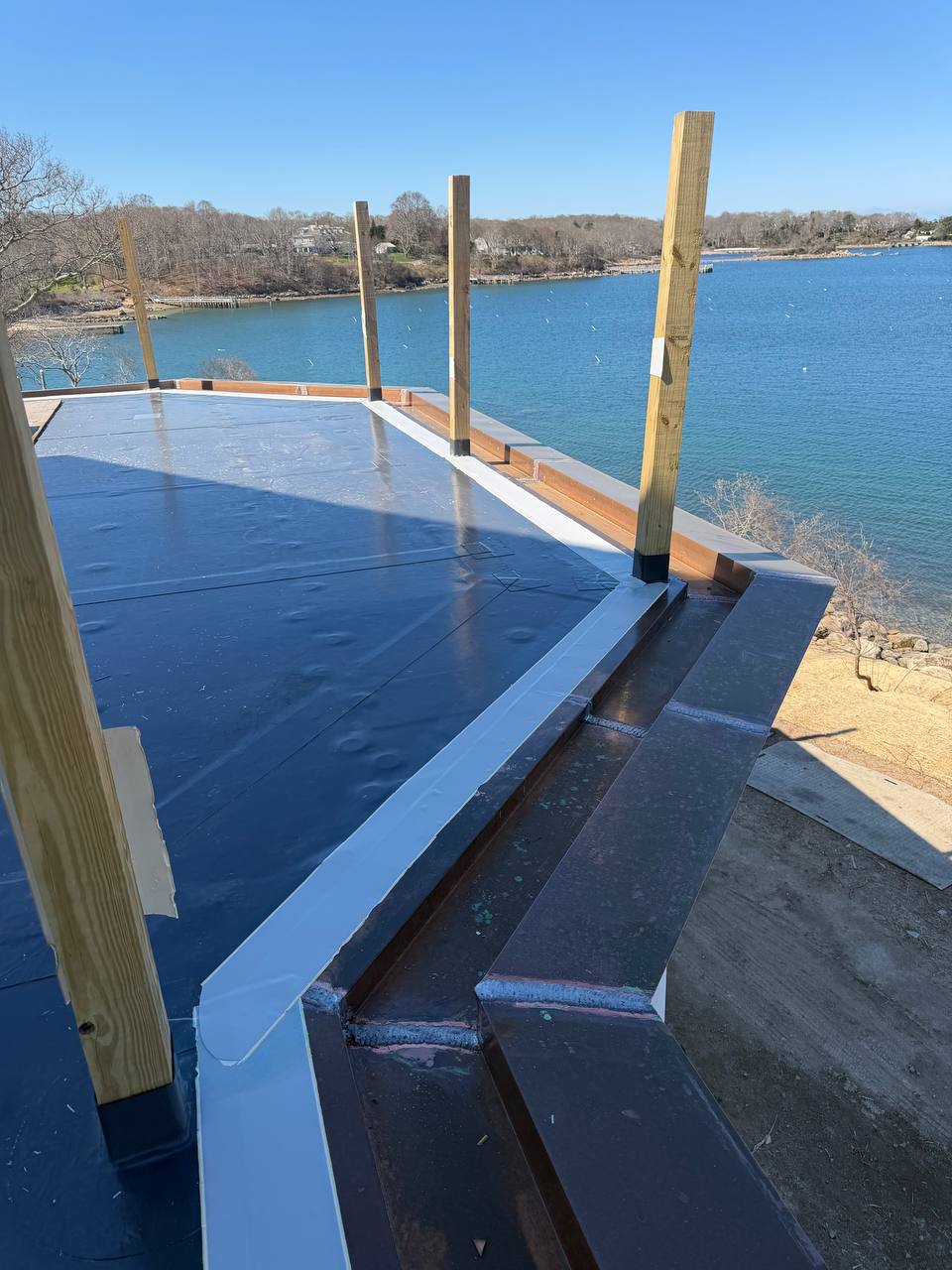
Coastal properties may require particular attention to wind exposure, rainfall, drainage, roof edges, and flashing details. Specific requirements depend on the property's location, building height, roof construction, and applicable building codes.
A reliable installation requires an appropriate attachment system, a properly prepared substrate, and effective drainage.
EPDM is not automatically the right solution for every property. The final choice should reflect the project's technical requirements and the characteristics of the available roofing systems.
How to Determine Whether Your Roof Is Ready for EPDM Installation
Before installing a new membrane, it's worth following several basic assessment steps.
- Inspect the existing roof. Evaluate the condition of the roofing, substrate, flashing, and drains.
- Check the slope and drainage. Identify areas where water collects or cannot drain properly.
- Assess the underlying roof layers. Look for moisture, damage, and materials that may need to be replaced.
- Determine the installation method. Select an attachment system appropriate for the roof structure and manufacturer requirements.
- Define the scope of work. Establish whether surface preparation is sufficient or whether tear-off and repairs are necessary.
This assessment helps identify potential problems before installation begins and ensures that the required work can be included in the project estimate.
Planning an EPDM Roofing Project on Cape Cod or the South Shore?
If you're considering EPDM for a flat or low-slope roof, the first step is determining whether the existing structure is suitable for the proposed system.
ANPoint Exteriors provides roofing services on Cape Cod and the South Shore, Massachusetts. Planning an installation involves evaluating the substrate, roof slope, drainage, and system requirements to determine an appropriate solution for the property.
Contact ANPoint Exteriors to discuss your roofing project and identify any preparation that may be needed before installation.