
EPDM Roof Repair: Common Leaks, Damage, and Solutions
An EPDM roof leak does not automatically mean the entire roof needs to be replaced. In many cases, the problem can be traced to a localized puncture, a seam, or a flashing detail and addressed with a targeted repair. The key is identifying the actual source of the leak and determining whether the membrane and the underlying roof structure are still in good condition.
For property owners on Cape Cod and the South Shore, timely attention to EPDM roofing problems can help prevent moisture from damaging insulation, roof decking, and interior finishes.
What Causes EPDM Roof Leaks?
EPDM is a durable synthetic rubber membrane commonly used on low-slope and flat roofs. However, like any roofing system, it can develop problems over time. The most effective repair depends on the location and cause of the damage.
1. Punctures and Cuts in the Membrane
Foot traffic, dropped tools, sharp debris, and other physical impacts can puncture or tear the membrane. Even a small opening may allow water to reach the insulation or roof deck.
Damage is not always obvious from the ground, so a professional inspection may be necessary to locate the affected area.
2. Separation at Seams
Depending on the roofing system, EPDM sheets may be joined using specialized seam tape and adhesives. If a seam was not properly prepared during installation or begins to deteriorate, water can enter through the connection.
Seam problems may develop because of installation errors, aging materials, or prolonged exposure to moisture and temperature changes.
3. Failed Flashing Around Roof Penetrations
Roof penetrations and transitions require careful detailing. Vents, pipes, drains, walls, and roof edges can become potential leak points if the flashing or surrounding membrane deteriorates.
A leak near a penetration does not necessarily mean the EPDM membrane itself has failed. The problem may be limited to the flashing detail.
4. Poor Drainage and Standing Water
EPDM is designed to withstand exposure to water, but that does not eliminate the need for effective roof drainage. Blocked drains, inadequate slope, or depressions in the roof can allow water to accumulate.
Persistent drainage problems should be evaluated alongside any membrane damage. Repairing a leak without addressing the underlying drainage issue may allow the problem to return.
5. Installation Defects
Some leaks can be traced to problems that developed during the original installation, including improperly sealed seams, poorly finished edges, or inadequate detailing around penetrations.
In these situations, the repair should address the underlying defect rather than simply covering the visible leak.
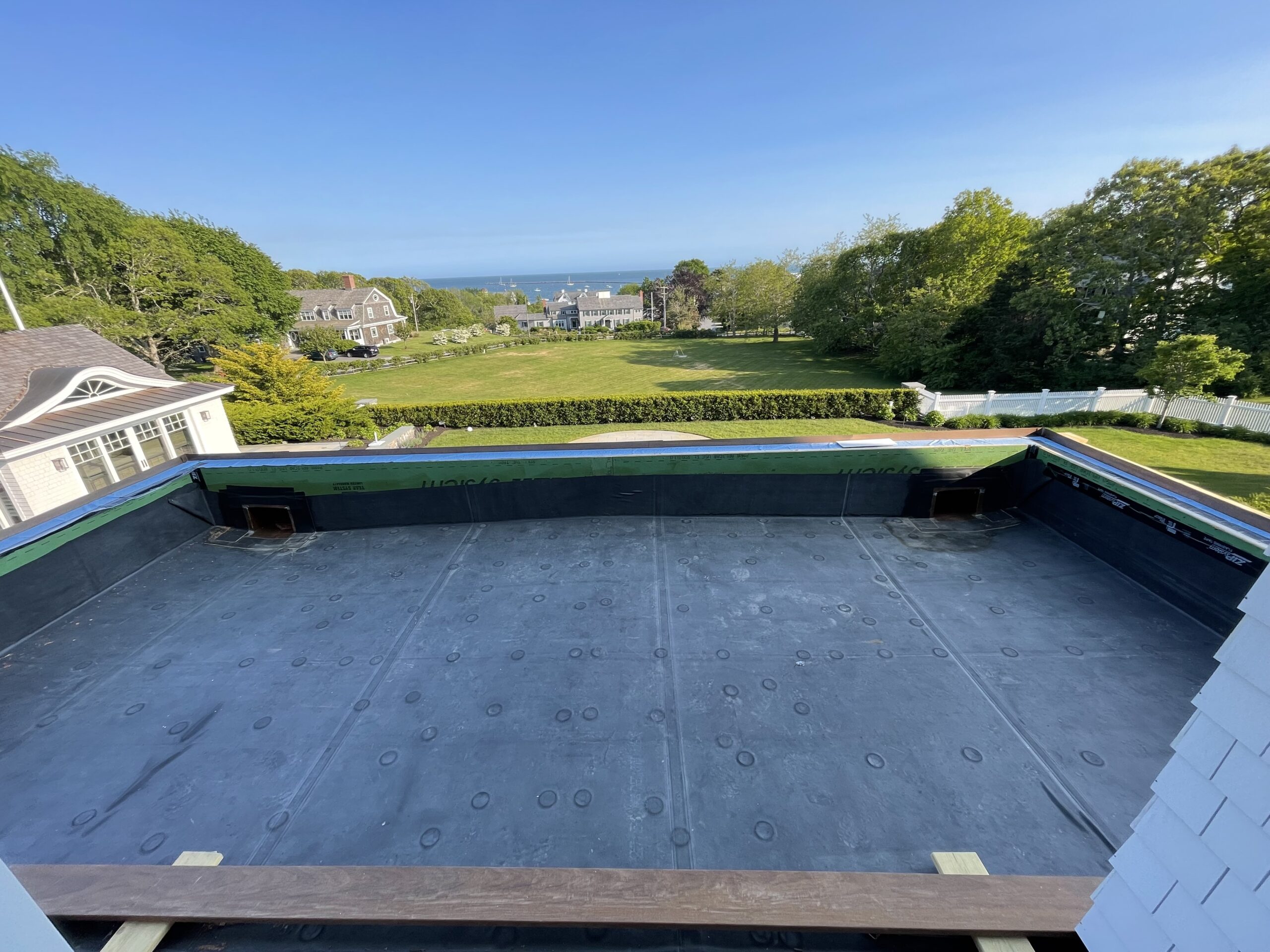
Can an EPDM Roof Be Repaired Without Replacing the Entire Membrane?
Yes. Localized EPDM damage can often be repaired when the surrounding membrane remains serviceable and the roof assembly is in suitable condition.
Depending on the findings of an inspection, a repair may involve:
- Patching a small puncture or tear with compatible EPDM repair materials.
- Restoring a defective seam.
- Repairing flashing around pipes, vents, drains, or roof edges.
- Correcting a localized installation defect.
- Removing debris or addressing a drainage issue that contributes to water accumulation.
The appropriate repair method depends on the membrane, the condition of the affected area, and the roofing manufacturer's requirements. Materials and procedures must be compatible with the existing system.
A patch alone may not be sufficient if moisture has spread beneath the membrane or the underlying roof assembly has deteriorated.
How Is EPDM Roof Repair Performed?
The repair process starts with finding the source of the leak. Water can travel beneath a roofing membrane before becoming visible inside the building, so the location of an interior stain may not correspond to the actual point of entry.
A professional assessment typically involves the following steps:
1. Locate the source of the leak. The contractor examines the membrane, seams, flashing, penetrations, drains, and roof edges for signs of damage or failure.
2. Assess the surrounding roof assembly. The affected area is checked for trapped moisture, deteriorated materials, and damage that could make a localized repair ineffective.
3. Prepare the repair area. The surface is cleaned and prepared according to the requirements of the repair system. Proper preparation is essential for reliable adhesion.
4. Complete the repair. Compatible materials are used to patch the membrane, restore a seam, or correct the defective flashing detail.
5. Inspect the repaired area. The contractor checks the repair and surrounding details to confirm that the work has been completed properly.
If the inspection reveals widespread deterioration or extensive moisture damage, additional work may be necessary.
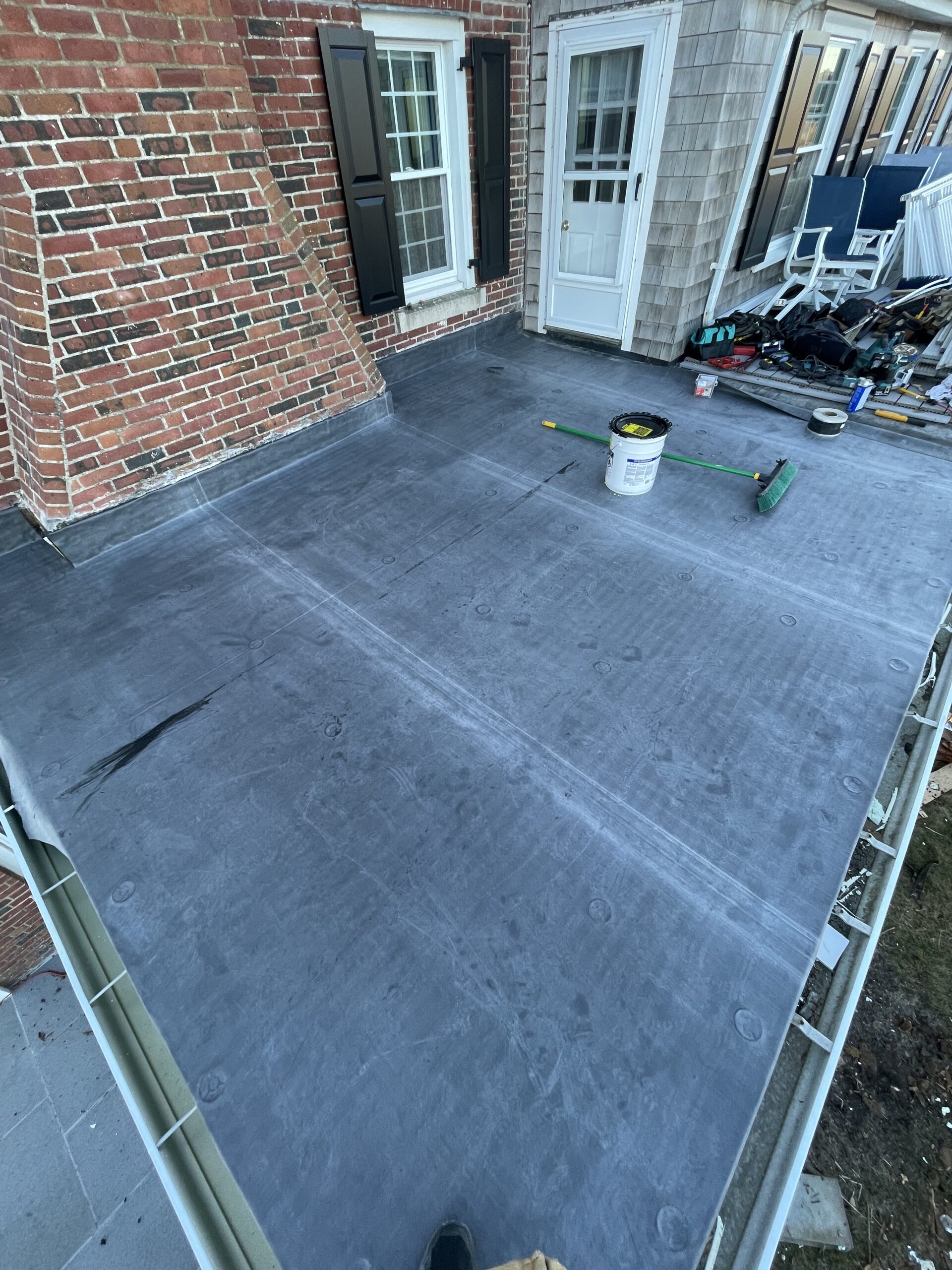
Is DIY EPDM Roof Repair a Good Idea?
Some minor maintenance tasks, such as removing loose debris from an accessible roof, may be manageable for a property owner. Actual membrane repairs require more care.
Using the wrong sealant, applying a patch to an improperly prepared surface, or overlooking a nearby seam or flashing defect can lead to recurring leaks. Walking on a roof also introduces fall risks and may cause additional damage.
Professional assessment is especially important when the source of the leak is unclear, water has reached the interior, or the roof has extensive standing water or visible deterioration.
Before attempting a repair, consider the condition of the roof, the manufacturer's requirements, and the risks associated with accessing the area.
When Is EPDM Roof Replacement a Better Option?
A localized repair may not be the most effective solution if the roofing system has deteriorated extensively. Replacement may need to be considered when an inspection identifies:
- Multiple leaks in different areas of the roof.
- Widespread membrane deterioration or repeated seam failures.
- Extensive moisture damage beneath the membrane.
- Recurring leaks despite previous repairs.
- Roof drainage or structural issues that cannot be resolved through isolated repairs.
The decision should be based on the overall condition of the roofing system, not simply the age of the membrane or the presence of one leak.
When comparing repair and replacement, consider the extent of the damage, the condition of the insulation and roof deck, and the likelihood that additional problems will develop.
How to Reduce the Risk of Future EPDM Roof Leaks
Routine maintenance can help identify developing problems before they lead to more extensive damage.
For an EPDM roof, useful maintenance practices include:
- Inspecting seams, flashing, penetrations, and roof edges periodically.
- Keeping drains and drainage paths clear of leaves and debris.
- Checking for punctures, cuts, and areas of unusual water accumulation.
- Investigating interior water stains or signs of moisture promptly.
- Arranging a professional inspection after severe weather when damage is suspected.
On Cape Cod and the South Shore, wind-driven rain and seasonal weather changes make it particularly important to keep roof details and drainage systems in good condition. The roof's design, installation quality, and maintenance history all influence how well the system performs over time.
EPDM Roof Repair on Cape Cod and the South Shore
If you notice a leak, damaged membrane, or recurring drainage issue, the first step is to determine whether the problem can be resolved with a targeted repair or requires more extensive work.
ANPoint Exteriors provides roofing services for property owners on Cape Cod and the South Shore. A professional assessment can help identify the source of the problem and determine the appropriate next steps for the existing roof.
Contact ANPoint Exteriors to discuss your roofing concerns and arrange an assessment of your property.