
How Much Does EPDM Roofing Cost? Installation Prices and Key Factors
The cost of EPDM roofing depends on more than the size of the roof and the price of the rubber membrane. The total project cost is also affected by the condition of the roof deck, whether the existing roofing needs to be removed, the attachment method, insulation requirements, drainage, and the complexity of the installation.
As a result, two roofs of the same size can have significantly different installation costs. To estimate the budget for a new EPDM roof, it is important to consider the full scope of work required to install a reliable, long-lasting roofing system, not just the membrane itself.
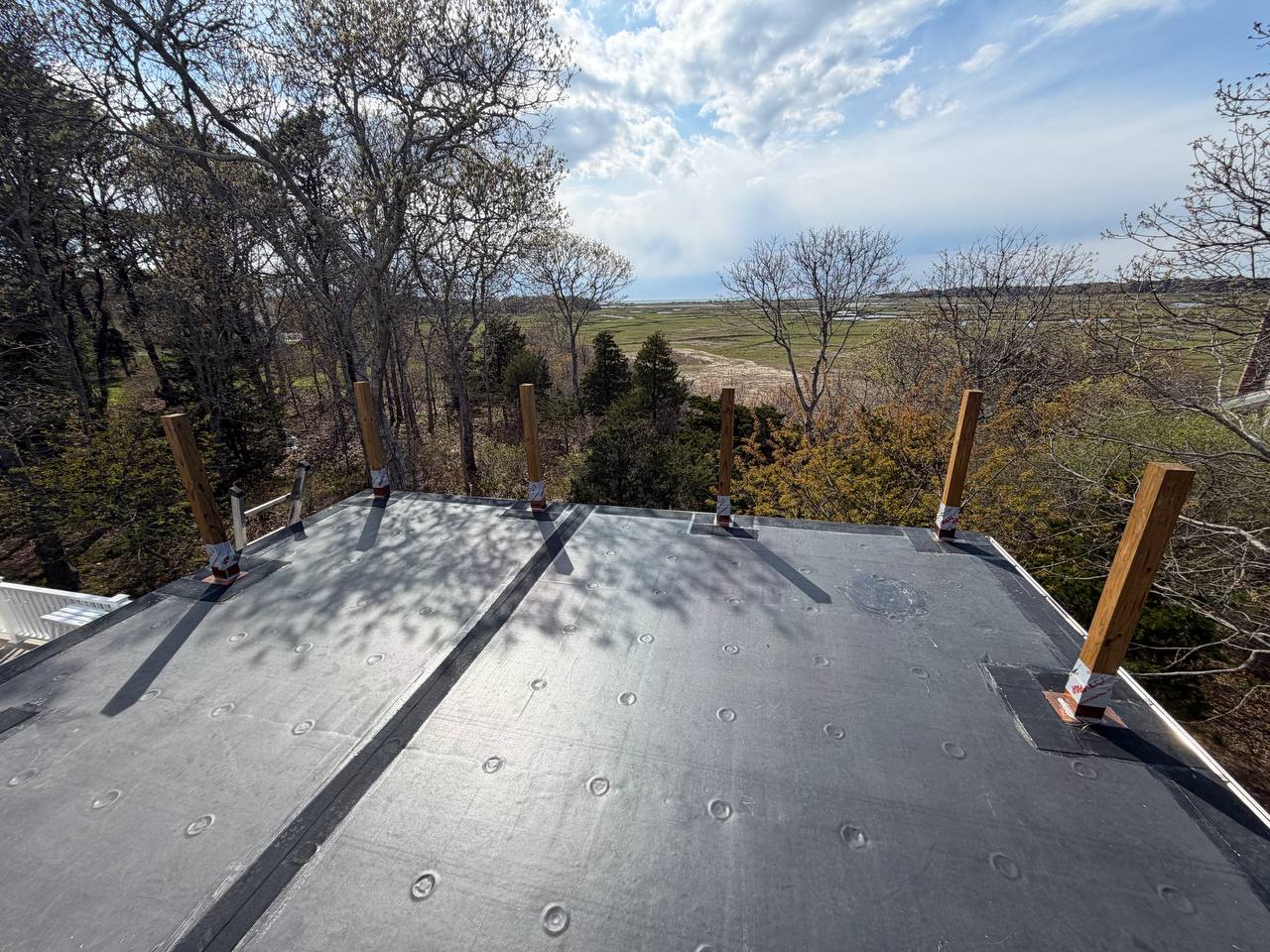
What Affects the Cost of EPDM Roofing?
1. Roof Size and Layout
Roof area is one of the main factors used to calculate installation costs. However, the number of square feet is only part of the equation. The roof's layout and complexity also matter.
A simple flat roof with few penetrations or transitions generally requires less labor than a roof with multiple pipes, vents, parapet walls, corners, and changes in elevation.
The more complex the roof, the more time and precision may be needed to cut and position the membrane, seal seams, and finish the details.
2. EPDM Membrane Thickness and Specifications
EPDM membranes are available in different thicknesses and specifications. The material selected, the manufacturer's requirements, and the installation system all affect the overall cost.
When comparing estimates, ask which membrane is included in each proposal. The term EPDM roofing alone does not guarantee that two contractors are quoting the same material or system.
The right membrane should be selected based on the roof's construction, expected service conditions, and the requirements of the roofing system.
3. Removing the Existing Roof
If the existing roofing needs to be removed, the project may include additional labor, debris removal, and disposal costs.
In some cases, a new membrane can be installed over an existing roof. However, this approach is not suitable for every project. The condition of the existing roof, trapped moisture, the number of existing layers, and the manufacturer's requirements may make a full tear-off necessary.
The existing roof should be evaluated before deciding how to proceed. Installing a new membrane over a damaged or moisture-affected roof may conceal existing problems without resolving them.
4. Roof Deck Condition and Necessary Repairs
The surface beneath an EPDM membrane must be sound and suitable for the selected installation system.
If an inspection reveals damaged decking, signs of moisture intrusion, or other defects, additional preparation or repairs may be required before installation can begin.
The full extent of these issues is not always apparent until the existing roofing is removed. For this reason, an estimate should clearly state which preparation and repair work is included and how additional work will be priced if concealed damage is discovered.
5. Insulation and Roofing System Design
The cost depends on whether the project involves installing the membrane alone or building a more complete roofing system with insulation and other layers.
Depending on the roof's design, the work may include:
- Installing or replacing roof insulation.
- Adding a suitable substrate or cover board.
- Adjusting the roof assembly to improve drainage.
- Installing additional components required for compatibility between materials.
These items affect both the initial project budget and the performance of the finished roof. When comparing estimates, make sure you are evaluating the complete roofing system rather than the price of the EPDM membrane alone.
6. Membrane Attachment Method
EPDM roofing can be installed using several attachment methods, including fully adhered, mechanically attached, and ballasted systems.
Each method has different requirements for the substrate, materials, and installation process. The appropriate option depends on the roof design, wind-uplift requirements, manufacturer specifications, and other project conditions.
A lower-cost installation method is not automatically the right choice for every building. The system must be suitable for the roof's construction and expected service conditions.
7. Flashing, Roof Penetrations, and Drainage
The installation estimate should account for the details that help keep the roofing system watertight.
These may include:
- Membrane seams and seam treatment.
- Transitions between the roof and walls or parapets.
- Flashing around pipes and ventilation outlets.
- Roof edges and perimeter details.
- Roof drains and drain flashing.
- Other components needed for effective water drainage.
The more roof penetrations and transitions a project has, the more time and materials may be needed to complete these details correctly.
8. Roof Access and Job-Site Conditions
Building height, access to the roof, equipment requirements, and material handling can also affect installation costs.
Some properties require additional site preparation or specialized safety measures. These conditions can increase the time needed to complete the project and affect the overall price.
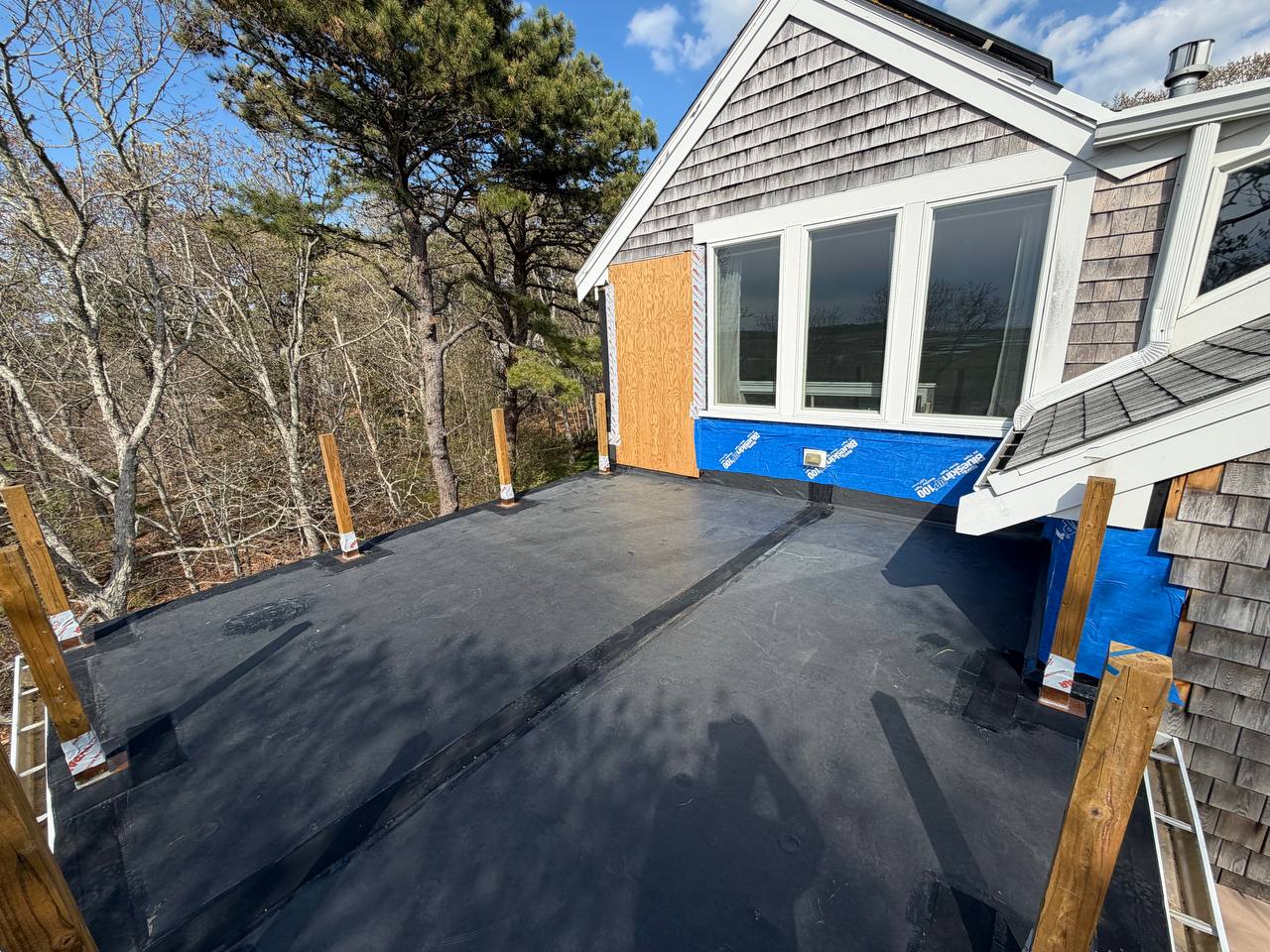
How Much Does EPDM Roofing Cost Per Square Foot?
EPDM roofing installation is generally priced according to roof area and the scope of work involved. However, a price per square foot can represent very different levels of service.
One estimate may cover only membrane installation over a properly prepared roof deck. Another may include tear-off, roof deck repairs, insulation, new flashing, and drainage improvements.
For that reason, comparing the price per square foot alone is not enough. You need to understand exactly which materials and services are included in the quoted price.
To compare estimates accurately, ask each contractor to itemize:
- Materials and installation labor.
- Removal and disposal of the existing roof, if required.
- Roof deck preparation and repairs.
- Insulation and additional roofing layers.
- Seams, flashing, and roof penetrations.
- Drainage-related work.
- The terms under which additional work will be priced.
A detailed breakdown makes it easier to identify differences between proposals and understand what you are paying for.
What Affects EPDM Roofing Costs on Cape Cod and the South Shore?
When planning roofing work on Cape Cod and the South Shore, it is important to consider local operating conditions as well as roof size.
In coastal areas, wind exposure, heavy rain, secure membrane attachment, and properly detailed flashing are important considerations. Specific requirements depend on the property's location, the building's construction, and applicable building codes.
Drainage also deserves close attention. An EPDM membrane cannot compensate for inadequate roof slope, poorly positioned drains, or problems with the underlying roof structure.
If these issues need to be corrected during installation, the necessary work should be included in the project plan and estimate.
How to Compare EPDM Roofing Estimates
When choosing a roofing contractor, evaluate more than the final price. The scope of work and the quality of the proposed system matter just as much.
Check what the estimate includes. Confirm whether tear-off, roof deck preparation, insulation, membrane installation, and flashing are covered.
Ask which materials will be used. The proposal should identify the membrane and the main components of the roofing system.
Clarify how additional work will be priced. If concealed damage is discovered after tear-off, an agreed process for pricing repairs can help prevent unexpected costs.
Review the drainage plan. The contractor should consider existing drains and the roof's configuration rather than focusing solely on installing the membrane.
Pay attention to installation details. Properly completed seams, penetrations, and flashing are essential to maintaining a watertight roof.
A detailed estimate helps you understand which work is necessary and compare proposals on an equal basis.
Is the Cheapest EPDM Roofing Estimate the Best Choice?
The lowest initial price does not always represent the best value. If an estimate excludes essential preparation, roof deck repairs, or properly detailed flashing, the total cost may increase as the project progresses.
When evaluating your options, consider the condition of the existing roof, the materials specified, the completeness of the proposed work, and the expected service life of the roofing system.
The goal is not simply to install a membrane at the lowest possible price. It is to choose a roofing system that suits the building and performs reliably under its expected conditions.
Get an EPDM Roofing Estimate
If you are planning EPDM roof installation or replacement on Cape Cod or the South Shore, start by assessing the existing roof and identifying the work required.
ANPoint Exteriors provides roofing services for properties throughout these areas of Massachusetts. Evaluating the specific project helps determine an appropriate solution and prepare an estimate based on roof size, substrate condition, layout, and installation requirements.
Contact ANPoint Exteriors to discuss your EPDM roofing project and arrange an assessment of the work needed.