
Siding Installation: What Happens During a Typical 5–10 Day Project?
If you have never replaced the siding on a house before, it is easy to think the process is straightforward: remove the old material, install the new one, and clean up.
In reality, a good siding project involves much more than attaching new panels or boards to the exterior.
A typical residential siding installation or replacement project takes about 5–10 days, depending on the size of the home, material, preparation, weather, accessibility, and project complexity. The visible installation is only one part of the process. Much of the quality of the finished exterior depends on what happens before the first new piece of siding is installed.
For homes in Cape Cod and the South Shore, preparation and moisture management are particularly important because the exterior has to handle humidity, driving rain, coastal exposure, wind, and seasonal temperature changes.
Here is what a typical project looks like from beginning to end.
1. The Project Starts With an Exterior Assessment
Before installation begins, the existing exterior needs to be evaluated.
This is not simply about deciding which color or siding profile looks best.
The condition of the existing siding, trim, walls, windows, doors, and other exterior details can affect the scope of work.
During the planning stage, important considerations include:
- Existing siding material
- Condition of the current siding
- Signs of rot or moisture
- Areas around windows and doors
- Exterior trim and corners
- Number of stories
- Dormers and gables
- Accessibility
- Existing substrate
- Desired replacement material
This stage helps determine whether the project is a straightforward siding replacement or whether additional preparation will be necessary.
It also helps avoid surprises later in the process.
2. Choosing the Right Siding Material
The material should be selected based on more than appearance.
For a coastal home, homeowners typically need to balance:
- Appearance
- Maintenance
- Lifespan
- Moisture exposure
- Weather conditions
- Architectural style
- Budget
- Long-term expectations
Common options include PVC, fiber cement, cedar, and wood.
PVC
PVC can be a practical option when low maintenance and moisture resistance are priorities. For more information, see our PVC siding installation services.
Fiber Cement
Fiber cement offers a wood-style appearance combined with relatively low maintenance and strong durability. Learn more about our fiber cement siding options.
Cedar
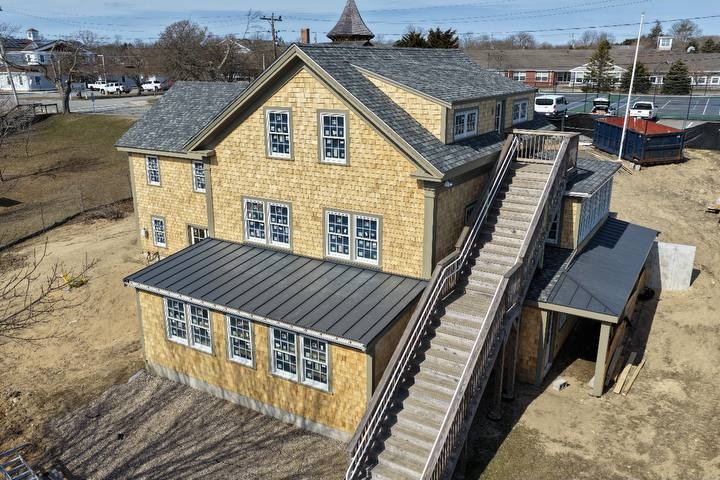
Cedar provides natural texture and traditional New England character, but it requires more ongoing maintenance. Discover more about our cedar siding options.
Wood
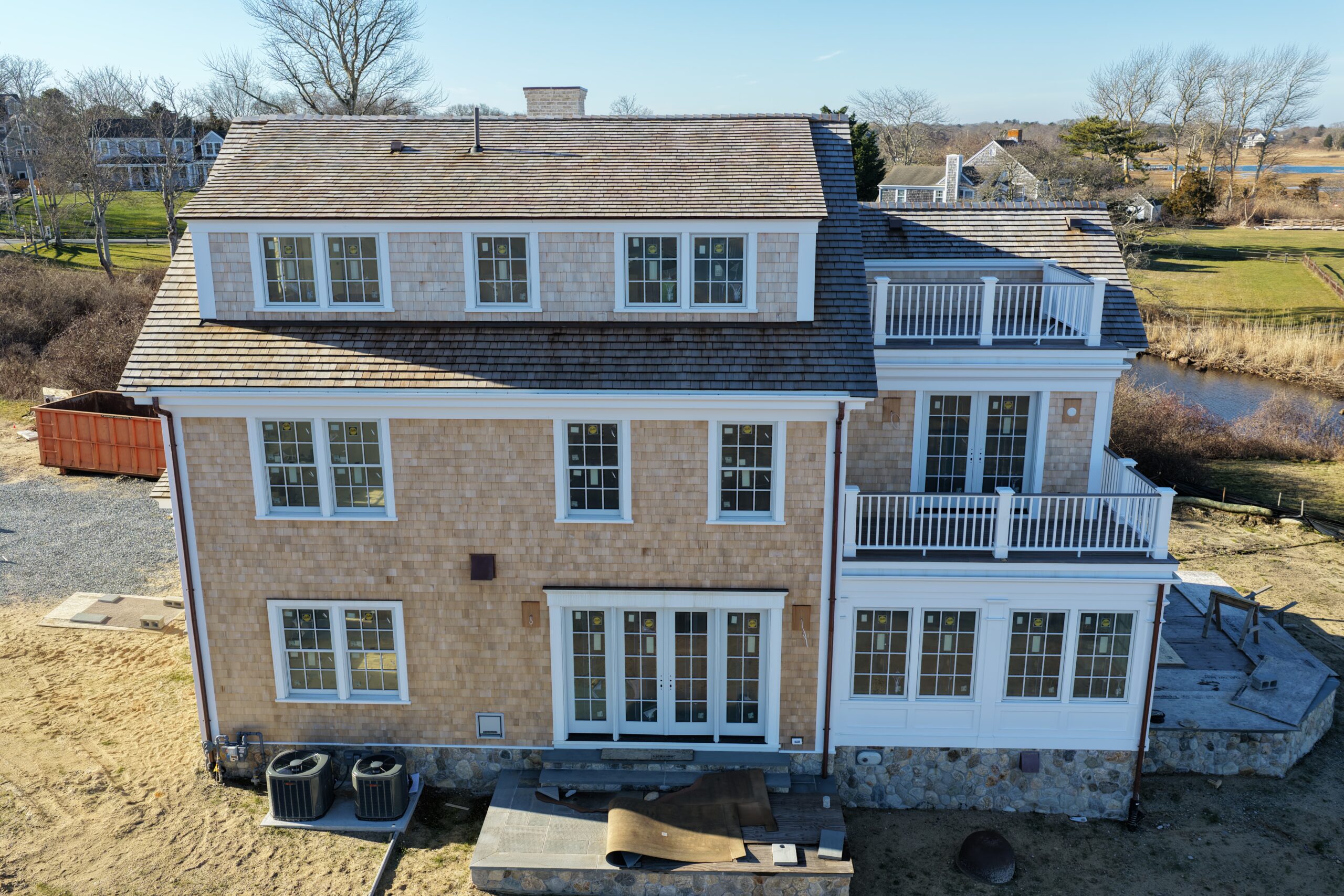
Wood siding remains an attractive choice for traditional and historic homes where natural material and architectural authenticity are important. Explore our wood siding options.
The right choice depends on the home rather than a universal ranking of materials.
3. Existing Siding Is Removed
Once the project begins, the existing siding is typically removed so the condition of the exterior can be properly assessed.
This is an important part of the process because the visible siding does not always reveal what is underneath.
Removal may expose:
- Deteriorated sheathing
- Rot
- Moisture damage
- Damaged trim
- Previous repair work
- Areas requiring additional preparation
This is one reason it is difficult to determine the exact scope of a replacement project from photographs alone.
A wall may look acceptable from the outside while having localized deterioration underneath.
4. The Wall Surface Is Prepared
After the old siding is removed, the surface needs to be prepared for the new exterior.
The exact work depends on the condition of the wall and the requirements of the selected siding material.
Preparation may include addressing damaged areas, improving moisture management, replacing deteriorated components, and making sure the surface is suitable for installation.
This stage is easy to overlook because it will eventually be covered by the new siding.
But it is one of the most important parts of the project.
New siding cannot compensate for an underlying problem that was left unresolved.
5. Windows, Doors, Corners, and Other Details Are Addressed
Large flat wall sections are relatively straightforward.
The more complicated parts of the house are usually around openings and architectural details.
Windows and doors require careful attention because these areas need to manage water effectively.
The same applies to:
- Outside corners
- Inside corners
- Roof-to-wall transitions
- Dormers
- Gables
- Exterior trim
- Wall penetrations
- Areas where different materials meet
These details can have a major effect on both appearance and long-term performance.
On a Cape Cod home with multiple dormers, rooflines, windows, and trim elements, the amount of detail can make the project significantly more complex than the square footage alone suggests.
6. New Siding Installation Begins
Once the exterior is properly prepared, the new siding can be installed.
The exact installation method depends on the material.
PVC, fiber cement, cedar, and wood each have their own requirements for fastening, spacing, joints, clearances, and finishing.
The goal is not simply to cover the wall.
The siding needs to be installed as part of a complete exterior system that allows water to be managed correctly and accommodates the characteristics of the material.
This is also when the overall appearance of the house starts to change significantly.
7. Trim and Finishing Details Are Installed
Siding itself is only part of the finished exterior.
Trim around windows, doors, corners, rooflines, and other transitions helps create a complete appearance and provides important functional details.
On a traditional Cape Cod home, trim can also have a major visual impact.
For example, changing the siding material while keeping the proportions and architectural details appropriate to the house can produce a much better result than simply replacing the wall covering.
This is why material, profile, trim, and color should be considered together.
8. The Crew Checks the Finished Exterior
Once the main installation is complete, the exterior should be reviewed for visible issues and unfinished details.
The inspection should consider:
- Alignment of siding
- Consistency of joints
- Trim installation
- Corners
- Window and door areas
- Transitions between materials
- Damaged sections
- Overall appearance
This is also the point where small finishing issues can be addressed before the project is considered complete.
A clean, consistent installation should look intentional from every elevation rather than only from the front of the house.
9. Cleanup Completes the Project
Siding replacement generates a considerable amount of material and packaging.
The final stage includes removing installation debris and leaving the property in an orderly condition.
For homeowners, this is also the point where the difference between the old and new exterior becomes most noticeable.
A successful project is not simply a house with new siding. It is a completed exterior with the material, trim, details, and surrounding property properly finished.
How Long Does Siding Installation Take?
A typical residential siding installation or replacement project takes approximately 5–10 days.
That is a useful planning range, but it should not be treated as a fixed schedule.
A smaller home with straightforward walls and good existing conditions may take less time.
A larger or more complicated property may take longer because of:
- Multiple stories
- Dormers
- Complex rooflines
- Numerous windows and doors
- Extensive trim
- Existing siding removal
- Substrate repairs
- Material availability
- Weather
- Coastal exposure
- Difficult site access
The preparation required can be just as important as the actual siding installation.
Does Weather Affect the Timeline?
Yes.
Exterior work depends on weather conditions, and coastal New England weather can change quickly.
Rain, strong winds, and other unfavorable conditions can affect when certain stages can be performed.
This is particularly important during preparation and installation because moisture management and material-specific installation requirements should not be compromised simply to keep a project on an arbitrary schedule.
A realistic timeline leaves room for weather and unexpected conditions discovered after the existing siding is removed.
What Happens If Damage Is Found Under the Old Siding?
This is one of the most common concerns homeowners have before a replacement project.
Finding some deterioration does not automatically mean the entire project has to change dramatically.
The appropriate response depends on the location and extent of the damage.
A small localized area may require limited repair.
More extensive deterioration may require additional preparation before the new siding can be installed.
The important thing is to address the underlying condition rather than simply cover it with new material.
If you're unsure whether your existing siding needs repair or complete replacement, see our guide on when you should replace your siding.
How Much Does Siding Installation Cost?
There is no single price for siding installation because the final cost depends on the project rather than simply the material.
A general planning range for siding projects is about $10–$20 per square foot, but this should not be multiplied blindly by the home's interior living area.
The relevant measurement is the exterior area being sided.
Cost can also change based on:
- Material
- Home size
- Existing siding removal
- Wall condition
- Number of stories
- Windows and doors
- Architectural details
- Accessibility
- Preparation requirements
For a more detailed breakdown, see our guide on how much siding costs in Cape Cod.
Why Preparation Matters More Than It Looks
One of the easiest mistakes when evaluating a siding project is focusing entirely on the finished appearance.
A beautiful new exterior is important, but the parts that are eventually hidden can be just as important.
Moisture management, substrate condition, flashing, clearances, fastening, and transitions all contribute to how the siding performs over time.
This is especially relevant for coastal homes.
A property exposed to salt air and driving rain needs an exterior system that is designed around those conditions rather than simply a visually attractive siding product.
What Should Homeowners Do Before Installation?
There are several simple things that can make the project easier.
Before work begins:
- Confirm the siding material and profile
- Review the project scope
- Discuss trim and finishing details
- Make sure access to the property is available
- Move fragile exterior items away from work areas
- Discuss any known moisture or siding problems
- Confirm how existing siding will be handled
- Review the expected timeline
It is also useful to understand what is included in the project and what conditions could result in additional work.
Clear expectations before installation generally make the process much easier for everyone involved.
What Should You Expect After Siding Replacement?
A properly planned siding replacement should provide more than a cosmetic update.
The finished exterior should:
- Match the architectural character of the home
- Provide appropriate protection from weather
- Manage moisture correctly
- Have consistent lines and details
- Require maintenance appropriate to the selected material
- Integrate properly with windows, doors, trim, and rooflines
The exact maintenance requirements will depend on the siding material.
PVC generally requires less routine maintenance than natural wood. Fiber cement also tends to require less ongoing attention than cedar or traditional wood siding.
Cedar and wood can provide exceptional character, but maintaining their finish and protecting them from moisture is an important part of long-term ownership.
A Good Siding Project Is More Than Installing New Boards
Siding replacement may look like a simple exterior renovation from the street, but the process involves several connected stages.
Assessment, material selection, removal, preparation, moisture management, installation, trim and finishing, inspection, and cleanup are all connected.
For a typical residential project, the process can take around 5–10 days, but the actual schedule depends on the home and the conditions discovered during the work.
For homeowners in Cape Cod and the South Shore, the most important consideration is not simply how quickly the new siding can go up. It is whether the entire exterior is properly prepared for the weather it will face.
If you're planning a siding project, see our siding installation and replacement services to compare materials and project options.