
How to Maintain Siding: A Practical Guide to Cleaning, Moisture, Paint & Seasonal Care
Your home's siding is designed to protect it from the elements, but it still needs regular attention.
Rain, humidity, sunlight, wind, dirt, and seasonal temperature changes gradually affect every exterior. On homes in Cape Cod and the South Shore, coastal exposure can add salt air, driving rain, and stronger wind to the conditions siding has to handle.
The good news is that siding maintenance does not have to be complicated.
Regular cleaning, periodic inspections, prompt repairs, and maintenance appropriate for the material can help siding remain attractive and functional for many years.
The exact routine depends on whether your home has PVC, fiber cement, cedar, or traditional wood siding. Some materials need little more than cleaning and inspection, while natural wood requires more regular attention to its finish and moisture protection.
How Often Should You Inspect Your Siding?
A practical starting point is to inspect the exterior once or twice a year, with an additional inspection after significant storms or periods of severe weather.
Spring and fall are useful times to look over the exterior.
In spring, you can check for damage caused by winter weather. In fall, an inspection can identify areas that may need attention before the next winter season.
You do not need to inspect every square inch of the siding.
Instead, pay particular attention to areas where moisture and movement are more likely to cause problems:
- Around windows and doors
- Lower sections of exterior walls
- Corners
- Joints and seams
- Roof-to-wall transitions
- Areas under rooflines
- Previous repair locations
- Sections exposed to prevailing weather
- Places where different exterior materials meet
The goal is to catch a small problem while it is still a small problem.
Cleaning Siding: What Actually Needs to Be Removed?
Siding naturally collects dust, pollen, dirt, and other surface debris.
Depending on the location of the home, you may also see:
- Algae
- Mildew
- Moss
- Bird or insect residue
- Tree debris
- Salt deposits
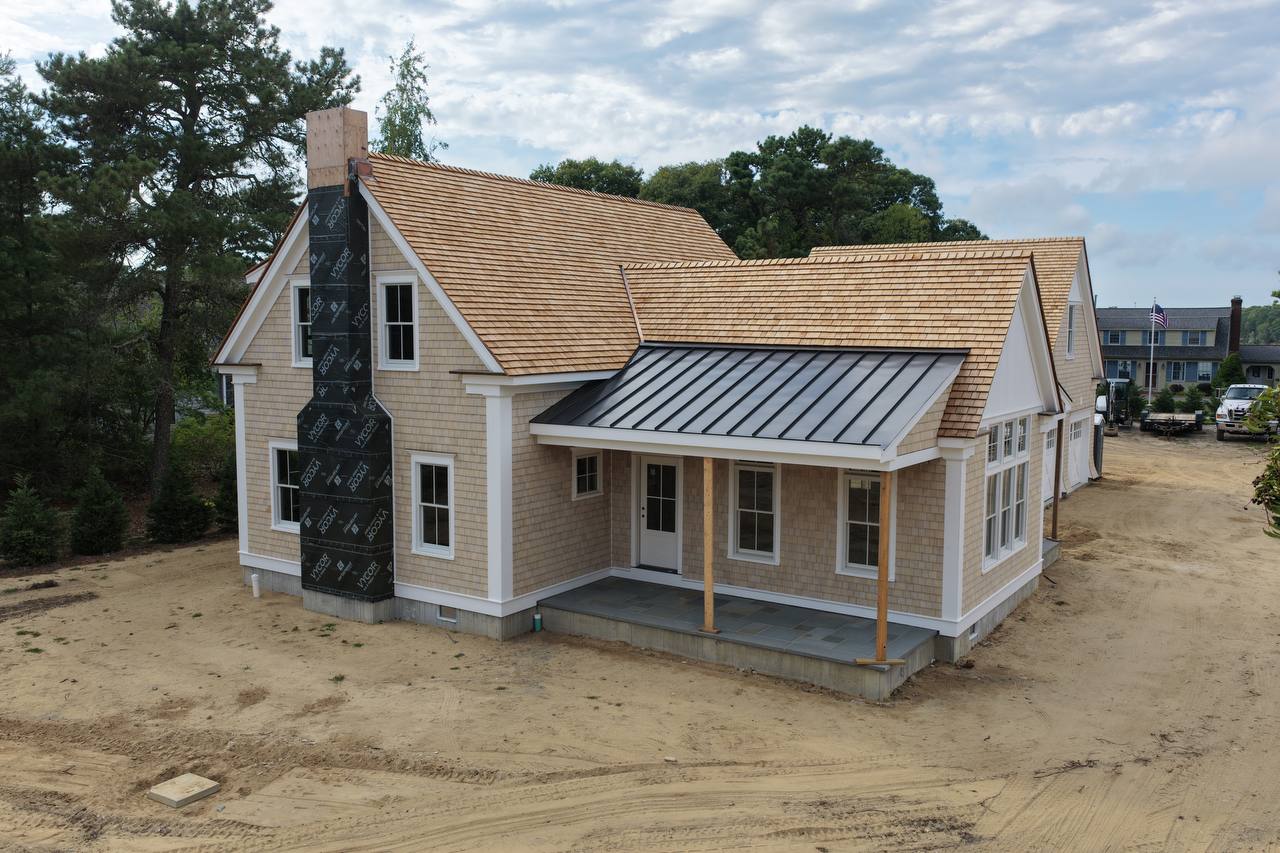
Regular cleaning can improve the appearance of the exterior and make it easier to spot damage.
However, cleaning should not be confused with repairing.
If a board is rotten, warped, cracked, or allowing moisture behind the siding, washing it will not solve the underlying problem.
Cleaning is maintenance. Structural or material deterioration requires a different response.
How Should You Clean PVC Siding?
PVC is generally one of the easier siding materials to maintain.
For routine cleaning, homeowners can usually use water and a suitable mild cleaning solution to remove surface dirt.
A soft brush or appropriate low-pressure washing method can help with more stubborn buildup.
Avoid aggressive cleaning that could damage the surface or force water into joints and openings.
After cleaning, look at the siding while it is wet and again after it dries.
This can make it easier to notice:
- Cracks
- Damaged panels
- Loose sections
- Gaps
- Discoloration
- Areas where water is entering or collecting
PVC does not require the same type of painting and refinishing routine as traditional wood siding, which is one reason it can be attractive to homeowners looking for lower maintenance.
See our PVC siding installation page for more information about the material.
How Should Fiber Cement Siding Be Maintained?
Fiber cement is also relatively straightforward to maintain.
Routine care generally focuses on keeping the surface clean and monitoring the condition of the finish, joints, and surrounding details.
Inspect for:
- Cracks
- Damaged boards
- Failed caulking
- Peeling or deteriorating paint
- Moisture around openings
- Gaps or damaged trim
If the painted finish begins to deteriorate, the siding may eventually need repainting.
The exact timing depends on the product, finish, exposure, and previous maintenance.
As with any siding material, painting over a damaged or moisture-affected area does not solve the underlying problem.
More information is available on our fiber cement siding page.
Cedar Siding Requires More Attention

Cedar is different because it is a natural wood product.
Its appearance and long-term performance depend significantly on protecting the material from moisture and weather exposure.
Maintenance can include:
- Cleaning
- Inspection
- Staining
- Painting
- Replacing damaged boards
- Addressing areas where moisture is accumulating
The finish should be monitored for fading, peeling, cracking, or other deterioration.
Particular attention should be paid to areas that receive frequent moisture or limited sunlight.
Cedar can perform very well on coastal homes, but it should not be treated as a maintenance-free material.
See our cedar siding options for more information.
Traditional Wood Siding Needs Regular Inspection

Traditional wood siding generally requires the most active maintenance of the materials discussed here.
The reason is simple: wood is more vulnerable to moisture when its protective finish deteriorates.
Look for:
- Soft or spongy boards
- Rot
- Splits and cracks
- Peeling paint
- Open joints
- Moisture staining
- Insect damage
- Boards that have started to pull away
Small problems can sometimes be repaired before they spread.
If deterioration becomes widespread, however, repeated repairs may no longer be the most practical solution.
See our wood siding services for more information about this option.
Moisture Is the Problem to Watch Most Closely
Of all the things to monitor, moisture deserves particular attention.
Siding itself is expected to encounter rain. The problem occurs when water gets behind the exterior and remains there or repeatedly reaches areas that are not designed to stay wet.
Look for warning signs such as:
- Swollen boards
- Dark or damp areas
- Rot
- Mold or mildew
- Peeling paint
- Staining
- Soft sections
- Deterioration around windows and doors
If the same area repeatedly develops damage, do not assume the siding itself is the only problem.
The cause could be related to flashing, drainage, a roof-to-wall transition, a window, a gutter, or another detail.
Replacing the visible damaged section without addressing the source may only result in the same problem returning.
Pay Special Attention to Windows and Doors
Windows and doors are among the most important areas to inspect because they create openings in the exterior wall.
Check the siding and trim around them for:
- Cracks
- Gaps
- Failed sealant
- Staining
- Swelling
- Rot
- Water marks
These areas can also be affected by repeated movement and weather exposure.
If deterioration repeatedly appears around the same opening, the cause should be investigated rather than simply replacing the visible siding.
What About Pressure Washing?
Pressure washing can be useful for removing dirt and surface buildup, but it needs to be approached carefully.
The pressure, distance, nozzle, and technique matter.
Too much pressure can damage the siding surface or force water into joints, seams, and areas around windows and doors.
This is particularly important with older wood siding or siding that already has cracks, deteriorated paint, or moisture problems.
A safer approach is generally to use the least aggressive method that effectively cleans the surface.
If the siding is already damaged, cleaning should not be used as a substitute for repair.
When Does Siding Need to Be Painted?
Painting requirements depend heavily on the siding material.
Natural wood siding typically requires periodic refinishing to maintain its appearance and protection.
Fiber cement may also require repainting as the finish ages.
PVC generally does not require the same routine painting process.
When repainting is appropriate, preparation matters.
The surface should be clean, sound, and suitable for the selected coating. Peeling paint, damaged material, and moisture problems should be addressed first.
Painting over deteriorated siding may make the exterior look better temporarily, but it will not restore damaged material.
Should You Caulk Siding Joints?
Caulking can be useful around certain exterior transitions, but it should not be applied indiscriminately.
Different siding materials and installation systems have specific requirements for joints and clearances.
Before adding caulk, determine why the joint is open and whether it is supposed to remain open for drainage or movement.
This is especially important on coastal homes, where moisture management is critical.
The goal is not to seal every visible gap.
The goal is to ensure that water is directed and managed correctly while allowing the exterior system to function as intended.
Seasonal Siding Maintenance
A simple seasonal routine can make exterior maintenance easier.
Spring
After winter, inspect the home for:
- Cracked or damaged siding
- Loose sections
- Peeling paint
- Moisture damage
- Damaged trim
- Problems around windows and doors
Spring is also a good time to clean accumulated dirt and debris.
Summer
During summer, pay attention to areas receiving strong direct sunlight.
Check for changes in the finish, warping, or other visible deterioration.
If the home is near the coast, salt and environmental buildup may also be more noticeable.
Fall
Before winter, check:
- Lower siding sections
- Corners
- Roof-to-wall transitions
- Windows and doors
- Gutters and downspouts
- Previous repair areas
Make sure water has a clear path away from the exterior.
After Severe Weather
After a major storm, it is worth checking the siding even if there is no obvious damage from inside the house.
Look for:
- Cracked panels or boards
- Loose siding
- Missing sections
- Damaged trim
- New gaps
- Impact damage
- Areas where water may have entered
Small exterior damage can become more significant if it remains exposed to weather.
Coastal Homes Need More Attention to Exposure
Homes in Cape Cod and the South Shore can face conditions that are more demanding than those of a protected inland property.
Salt air, humidity, wind, and driving rain can all contribute to exterior weathering.
That does not mean coastal siding needs constant maintenance.
It means the maintenance routine should reflect the property's actual exposure.
For example, two homes using the same material may age differently if one is heavily exposed to prevailing winds while the other is protected by surrounding homes and vegetation.
For more information about choosing materials for coastal conditions, read our guide on what siding holds up best near the ocean.
What If You Find Damaged Siding?
Do not automatically assume that the entire exterior needs to be replaced.
Start by determining how extensive the damage is.
A small repair may be appropriate when:
- Only a few boards or panels are damaged
- Surrounding siding is healthy
- There is no widespread moisture
- The underlying structure is sound
- Matching material is available
Replacement may be worth considering when:
- Damage appears in many areas
- Rot keeps returning
- Moisture problems are widespread
- Large sections are warped or deteriorated
- Repairs have become frequent
- The siding is near the end of its useful life
Our guide on whether to repair or replace your siding explains how to evaluate that decision in more detail.
How Maintenance Affects Siding Lifespan
Maintenance cannot make siding last forever, but it can help prevent avoidable deterioration.
Typical lifespan ranges are approximately:
| Material | Typical Lifespan | Maintenance |
|---|---|---|
| PVC | 30–50+ years | Low |
| Fiber cement | 30–50 years | Low to medium |
| Cedar | 20–40+ years | Medium to high |
| Wood | 15–30 years | High |
These are general ranges rather than guarantees.
Installation quality, moisture exposure, weather, sunlight, and maintenance all influence actual performance.
You can see the factors in more detail in our guide on how long siding lasts.
What Siding Maintenance Should You Never Ignore?
Some problems are worth addressing as soon as they appear.
Do not ignore:
Rot: Soft or deteriorating wood can indicate prolonged moisture exposure.
Warping: Significant distortion may indicate material or installation problems.
Persistent moisture: Repeated dampness or staining should be investigated.
Loose siding: Sections pulling away from the wall can allow water behind the exterior.
Failed areas around windows: Repeated deterioration around an opening can indicate a larger moisture-management problem.
Recurring repairs: If the same areas keep failing, the underlying cause needs to be identified.
The earlier these problems are addressed, the more options you may have.
A Simple Siding Maintenance Checklist
You do not need a complicated maintenance program.
At least once or twice a year:
- Walk around the entire exterior
- Look for cracks, gaps, and loose sections
- Check for rot or soft areas
- Inspect around windows and doors
- Look at corners and roofline transitions
- Check for peeling or failing paint
- Clean visible dirt and buildup
- Inspect after major storms
- Address localized damage before it spreads
- Check that gutters and downspouts direct water away from the walls
For natural wood, add regular inspection of the finish and plan for painting or staining as needed.
Good Maintenance Starts With the Right Installation
Maintenance is easier when the siding has been properly installed in the first place.
Correct preparation, flashing, clearances, fastening, trim, and moisture management all contribute to long-term performance.
This is especially important for homes exposed to coastal weather.
A low-maintenance material can still develop problems if water is allowed behind it. Likewise, a natural wood exterior can perform well for decades when it is properly installed and maintained.
Maintenance and installation are therefore connected.
The Goal Is Not Maintenance-Free Siding
Every siding material needs some level of care.
The goal is to choose a material whose maintenance requirements fit your home and your expectations.
If you prefer minimal routine maintenance, PVC or fiber cement may be a practical choice.
If natural appearance and traditional character are more important, cedar or wood may be worth the additional maintenance.
For homes in Cape Cod and the South Shore, the right choice should also account for coastal exposure and the architecture of the property.
Regular inspection, sensible cleaning, proper moisture management, and timely repairs are the foundation of long-lasting siding.
If your existing exterior is showing widespread deterioration or repeated moisture problems, maintenance may no longer be enough. In that case, it may be time to explore our siding installation and replacement services and choose a material suited to the home's architecture, exposure, and long-term maintenance needs.